Transfer Deadlines Drive Shifts in Deposit Matching and Lower League Wager Trends
Written by Uma Müller · May 24, 2026
Transfer Deadlines Drive Shifts in Deposit Matching and Lower League Wager Trends
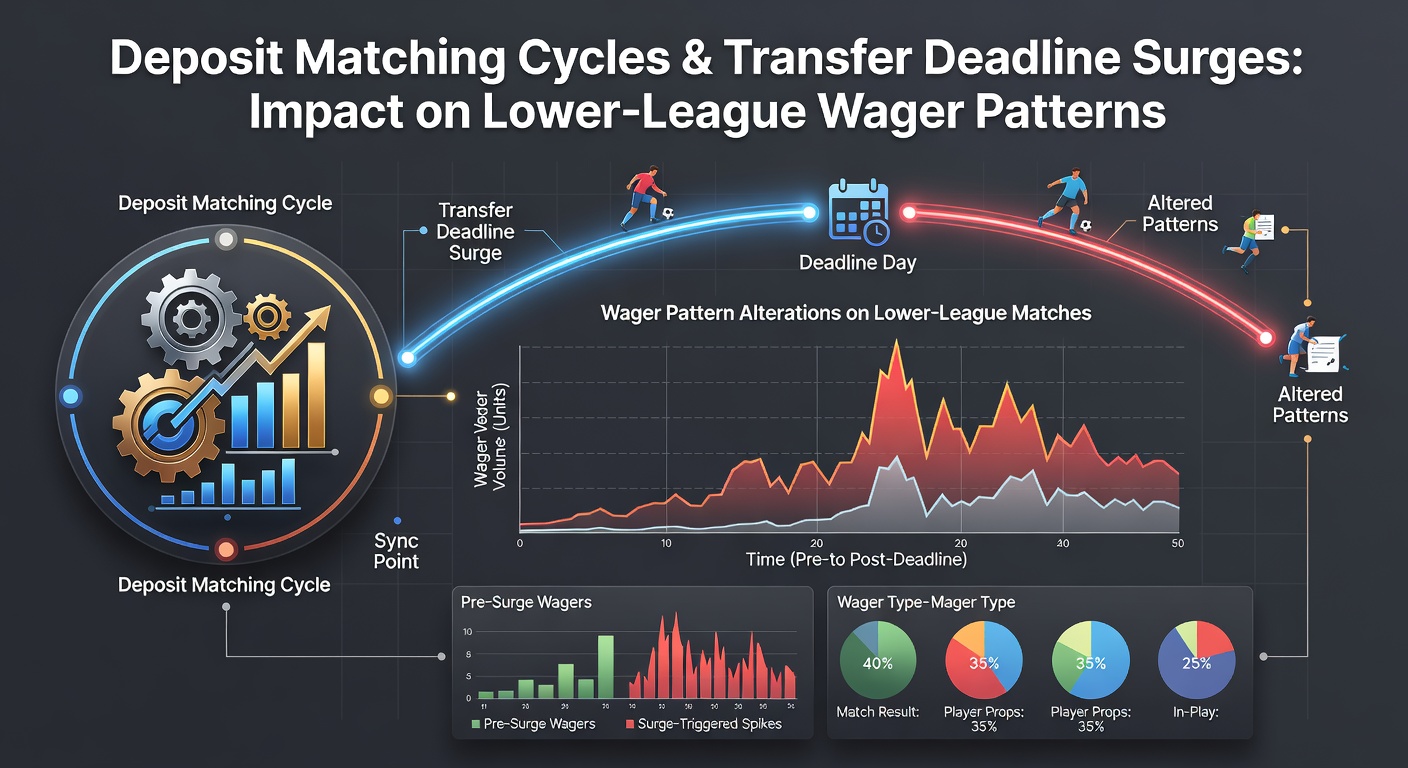
Deposit matching cycles on UK betting platforms often align closely with the January and summer transfer windows, creating measurable changes in how punters approach wagers on lower-league English matches. Data from industry reports show increased activity in League One, League Two and the National League during these periods, as operators time bonus offers to coincide with squad movement announcements and fixture congestion.
Deposit Matching Mechanics and Timing
Platforms structure deposit matches around specific calendar events, including the closure of transfer windows, which fall at the end of January and early September each year. Operators release enhanced matching percentages or capped free bet amounts in the days leading up to these deadlines, encouraging users to fund accounts ahead of expected market volatility in lower divisions. Research from academic institutions indicates that these timed incentives correlate with higher volumes of bets on matches featuring newly signed players or teams adjusting lineups mid-season.
Lower-league fixtures provide fertile ground for such patterns because squad changes carry outsized impact compared with Premier League contests. A single January signing can alter expected goal totals or defensive stability, prompting bettors to place wagers on over/under markets or both-teams-to-score options once deposit matches reduce the effective stake required. Figures from European betting associations reveal that activity on these divisions rises notably when promotional calendars overlap with transfer news cycles.
Transfer Window Surges and Market Adjustments
January deadlines generate concentrated transfer activity across the English Football League, with clubs in the lower tiers completing deals later in the window than their top-flight counterparts. This timing creates a surge in promotional deposit offers, as platforms anticipate bettors seeking value on matches where lineups remain fluid until the final hours. Observers tracking betting data note that cash-out usage and accumulator construction both increase during these windows, particularly for fixtures scheduled shortly after deadline day.
Summer windows operate differently, stretching across multiple weeks and allowing operators to layer deposit matches across pre-season friendlies and early league rounds. The result appears in altered wager distributions, with increased focus on player performance props tied to incoming transfers. A study published by a Canadian research centre found similar timing effects in secondary football markets, where promotional synchronisation with roster changes influenced bet sizing and selection frequency.
Observable Changes in Betting Patterns
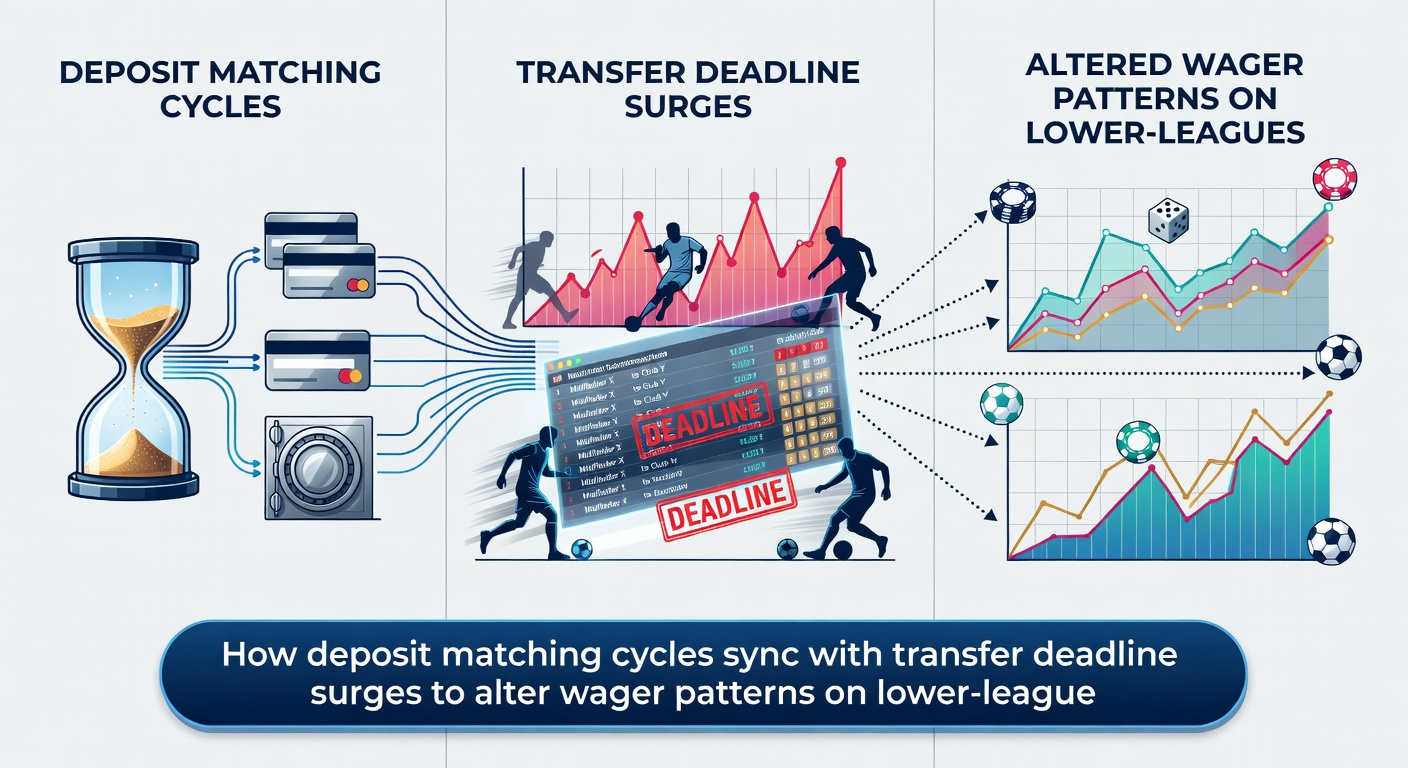
Analysis of historical data shows distinct shifts when deposit matching cycles meet transfer surges. Bettors redirect stakes toward lower-league games that would otherwise receive lower attention, especially when new signings feature in starting lineups announced post-deadline. Multi-bet builders see greater usage, combining selections from several EFL matches with the buffer of matched deposits reducing net exposure.
By May 2026, platforms are expected to refine these alignments further as regulatory reporting requirements tighten and clubs publish more granular transfer data. Patterns already visible in prior seasons suggest continued growth in live betting volumes on lower-league matches during the final days of each window, driven by updated team news and promotional reloads. Industry tracking groups report that average stake sizes on these divisions rise when deposit offers coincide with confirmed signings, while pre-window periods show steadier but lower engagement.
Fixture Congestion and Promotional Overlap
Lower leagues face fixture pile-ups around transfer deadlines because postponed matches from earlier rounds often land in late January or early February. Operators respond with deposit match extensions that cover these rescheduled games, amplifying wager volumes on outcomes influenced by tired squads or rotated lineups. External data from Australian gambling research bodies confirm that overlapping promotional calendars and fixture density produce measurable spikes in secondary-market betting across comparable leagues.
Those monitoring platform traffic observe that deposit matching campaigns launched 48 to 72 hours before deadline day generate the strongest response in lower-league markets. Users appear to allocate portions of matched funds to accumulators spanning multiple divisions, capitalising on the uncertainty created by last-minute transfers. This behaviour remains consistent across seasons despite variations in overall market size.
Conclusion
The synchronisation between deposit matching cycles and transfer deadline surges produces repeatable shifts in wager patterns on lower-league English matches. Platforms time offers to capture interest generated by squad changes, while bettors adjust selections toward markets sensitive to new arrivals and fixture congestion. Continued alignment through 2026 will likely sustain these dynamics as operators refine timing and lower-tier clubs maintain active January and summer activity.