Tracing the Quiet Rise of Friend-Led Networks in British Football Fan Engagement
Written by Logan Russell · May 19, 2026
Tracing the Quiet Rise of Friend-Led Networks in British Football Fan Engagement
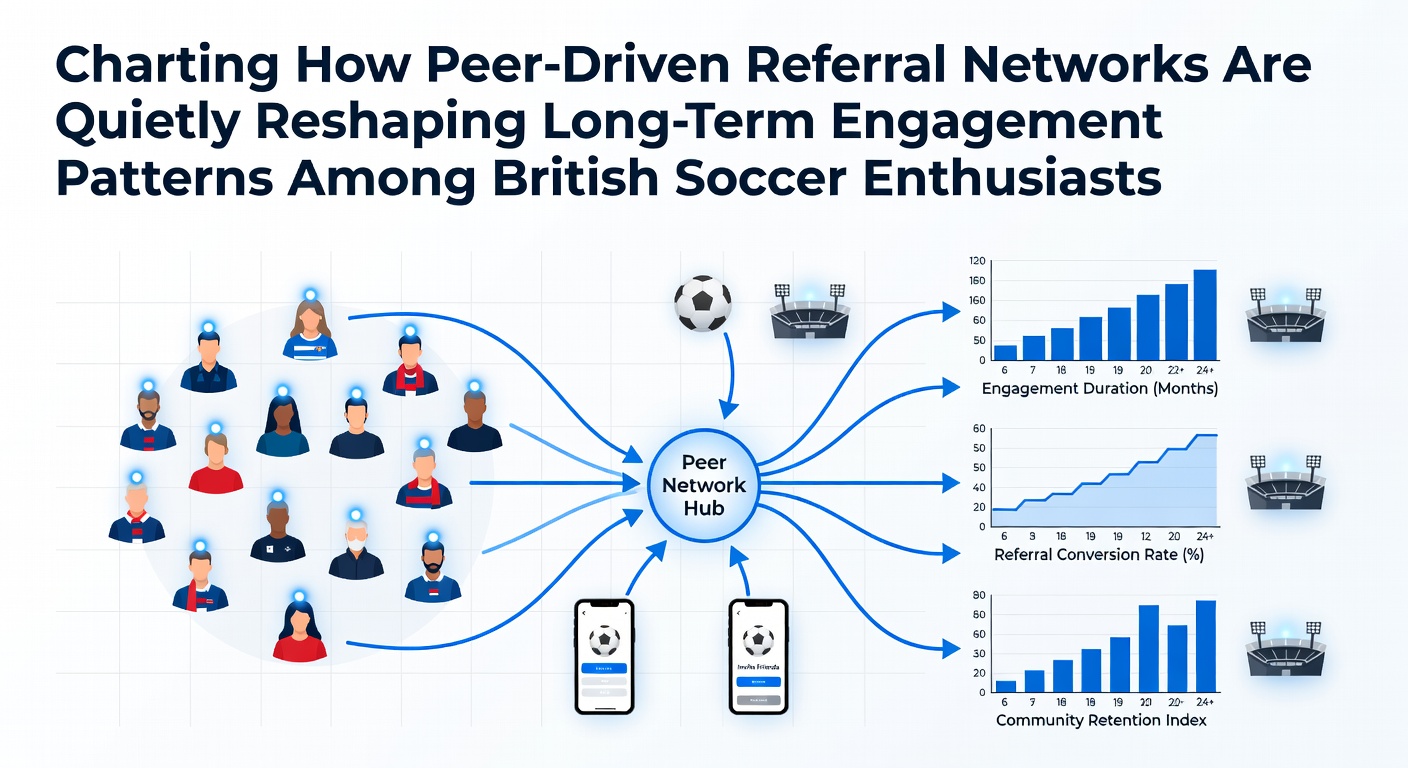
Referral systems built around personal connections have gained ground among British soccer supporters over recent seasons, with many platforms now offering structured rewards when one enthusiast brings another into the fold. These networks operate through simple mechanics where existing users share unique codes or links, and both parties receive credits or enhanced odds once the new participant completes initial activity. Data from industry trackers shows participation in such programs climbed steadily through 2025 and into early 2026.
Observers note that these arrangements differ from broad advertising campaigns because they leverage existing trust between friends or colleagues who already discuss matches together. When a supporter recommends a platform during a post-match conversation, the suggestion carries weight that generic promotions rarely match. This pattern appears across various age groups, though younger fans show higher uptake rates according to platform analytics shared in trade reports.
Mechanics Behind Peer Referrals
Most referral programs follow a consistent structure: an account holder generates a code, passes it along, and earns a fixed bonus when the recipient signs up and meets a minimum deposit or wager threshold. Recipients often receive a smaller starter incentive to encourage their first steps. Platforms adjust these thresholds periodically, and several introduced tiered rewards by spring 2026 that grant additional credits for each successful referral beyond the first.
What's interesting is how these systems integrate with existing features such as accumulator builders and live odds tools. A referred user might begin with a modest free bet, then explore prediction aids that the platform promotes during the onboarding sequence. Retention figures released by several operators indicate referred users remain active longer on average than those acquired through paid search or display ads.
Shifts in Long-Term Participation
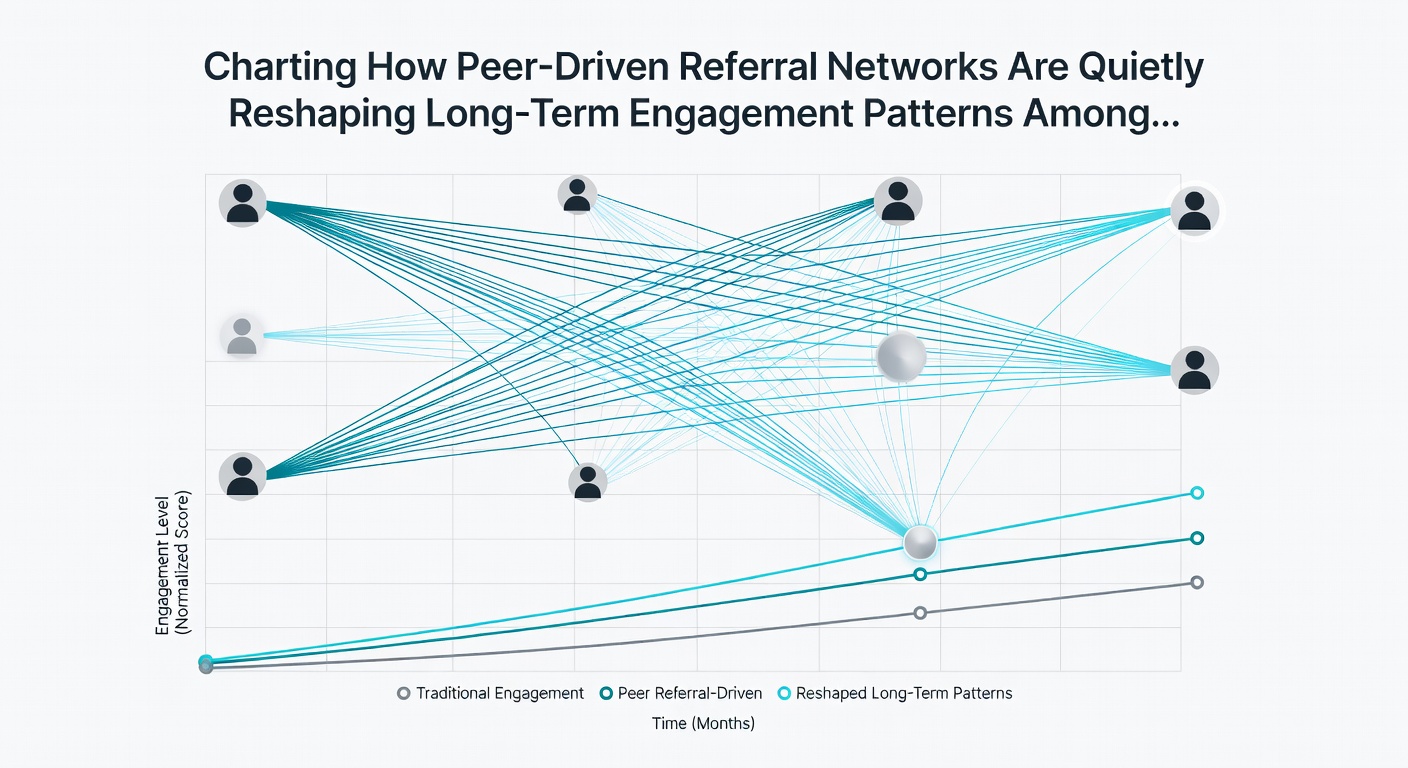
Long-term engagement patterns have evolved as referred users tend to return during midweek fixtures and international breaks rather than only on Premier League weekends. Researchers examining anonymized activity logs found that participants who joined via personal referrals placed bets across a wider range of leagues and maintained steadier deposit frequencies through the 2025-2026 campaign. This behavior contrasts with one-off spikes often seen after large promotional pushes.
Take one group of supporters in northern England who began sharing referral codes ahead of the January transfer window; their collective activity continued at elevated levels through the spring fixtures and into the final weeks of the season. Similar clusters appear in online forums where members track mutual progress and exchange tips on maximizing the available bonuses.
Regional Variations and Platform Adjustments
London and the South East recorded the highest referral volumes in 2025, while northern regions showed faster growth rates by the start of 2026. Operators responded by tailoring bonus structures to regional match schedules, offering extra rewards tied to local derbies or cup ties. These adjustments coincided with the planned reduction in physical betting shops announced for May 2026, as several major groups shifted focus toward digital acquisition channels that rely more heavily on peer networks.
Figures from European betting associations reveal parallel developments in other markets, though British platforms appear to have refined their tracking dashboards to measure repeat engagement rather than single sign-ups. Academic studies from institutions in Canada and Australia have examined comparable referral dynamics in sports wagering, noting similar lifts in session length when social ties underpin the initial entry.
Broader Industry Context
Industry reports from bodies such as the European Gaming and Betting Association highlight that referral traffic now accounts for a growing share of new registrations on regulated sites. This trend accelerated after several operators introduced shared tip features that let referred users exchange predictions within closed groups. The approach keeps participants returning to teh platform even when major televised matches are absent from the calendar.
One study published in a gambling policy journal examined how these networks influence spending rhythms across an entire season. Participants who entered through referrals displayed more consistent patterns, with fewer abrupt drops after initial bonuses expired. Platform teams have since added milestone rewards that activate at the three-month and six-month marks to sustain this momentum.
Looking Ahead
As the 2026 summer transfer period approaches, several operators plan to expand referral tiers to include group challenges where clusters of friends compete for collective bonuses based on combined performance. These updates build directly on observed behaviors where supporters already coordinate their activity around shared codes and match discussions. The result points toward increasingly interconnected engagement loops that extend well beyond any single fixture or promotional window.
Conclusion
Peer-driven referral networks continue to influence how British soccer enthusiasts interact with betting platforms over extended periods. Activity data and operational adjustments through early 2026 demonstrate measurable differences in retention and breadth of participation compared with other acquisition methods. As physical retail footprints contract from May onward, these social pathways are likely to occupy a larger role in shaping sustained patterns across the supporter base.