Tiered Loyalty Programs: Their Role in Shaping Accumulator Strategies Across Domestic Soccer Leagues
Written by Sage Reed · Aug 7, 2026
Tiered Loyalty Programs: Their Role in Shaping Accumulator Strategies Across Domestic Soccer Leagues
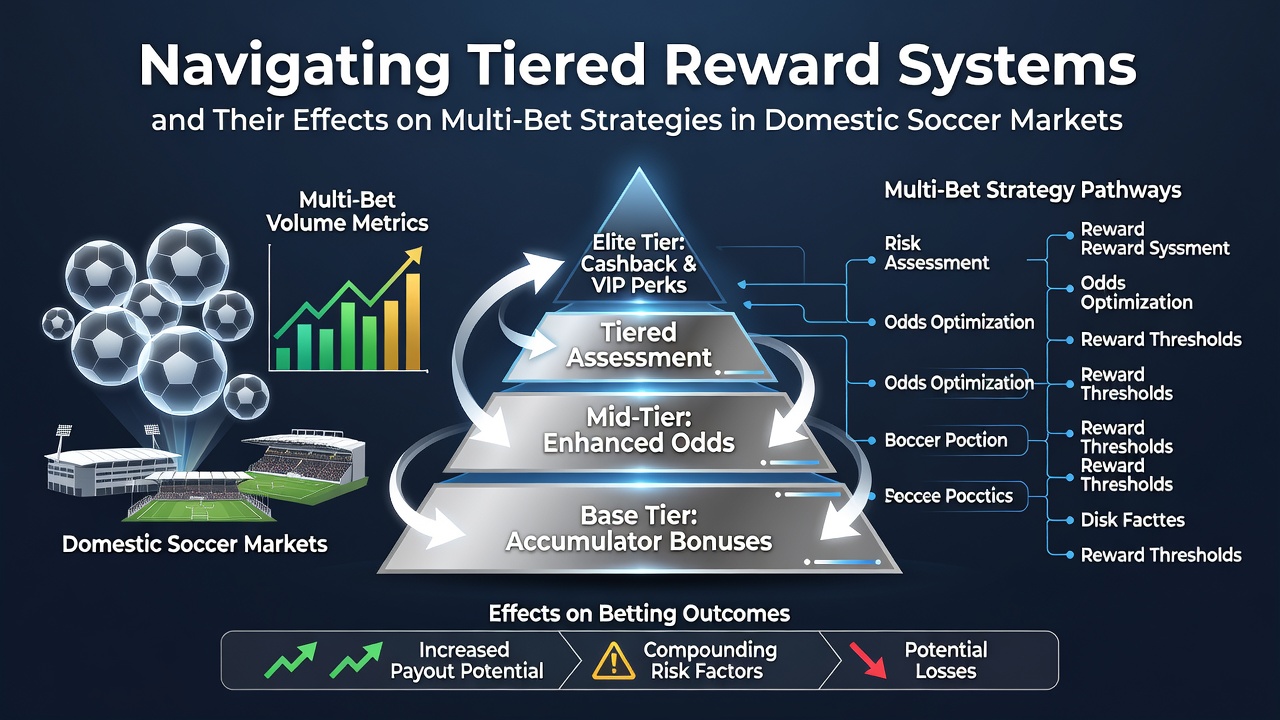
Domestic soccer markets feature tiered reward programs that classify participants according to betting volume and frequency, granting escalating benefits at each level such as enhanced cashback rates on accumulators, priority access to odds adjustments, and refund mechanisms for near-miss multi-bets. These structures operate through automated tracking systems that monitor activity over defined periods, typically resetting monthly or quarterly, which directly influences how bettors approach combinations involving multiple domestic league matches.
Mechanics of Tier Progression in Soccer Betting Platforms
Entry-level tiers often provide basic multipliers on accumulator returns while mid-tier status unlocks partial refunds when selections fall short by one outcome, and top tiers extend full protection alongside personalized fixture data tools. Progression depends on cumulative stakes across domestic competitions like national leagues, with thresholds varying by operator but commonly requiring sustained activity through the season start in August 2026. Observers note that participants reach higher tiers faster when concentrating wagers on multi-bet formats because platforms weight accumulator volume heavily in their calculations.
Influence on Accumulator Construction and Risk Management
Multi-bet strategies adapt as users ascend tiers because enhanced safeguards reduce effective downside on longer combinations. Bettors at elevated levels incorporate additional legs from domestic fixtures with greater frequency, since refund bonuses offset losses that would otherwise deter such expansions. Data from industry reports shows elevated participation in accumulator products among tiered users compared to those outside reward structures, particularly during periods of dense league scheduling.
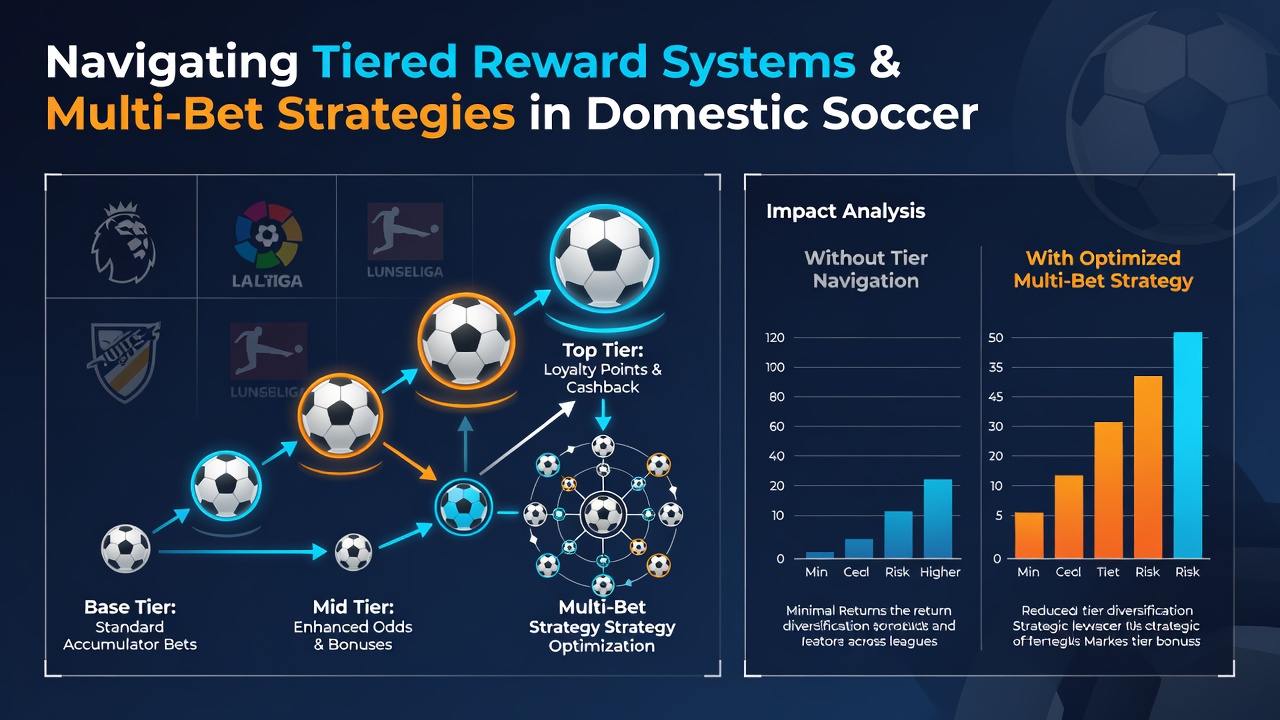
Take one analysis from the Australian Gambling Research Centre which examined reward tiers across sports markets and found participants adjusted their multi-selection patterns once refund thresholds activated. Those who studied similar systems in European contexts discovered parallel shifts where higher-tier benefits encouraged broader coverage of domestic soccer outcomes rather than single-match wagers. What's significant is the way cashback percentages scale with tier status, turning marginal accumulator attempts into more viable options for sustained engagement.
Market Data Patterns and Platform Adjustments
Figures from regulatory summaries in various regions indicate that multi-bet volumes rise noticeably once users cross into mid-tier brackets, with domestic soccer contributing a substantial share because of frequent fixtures and predictable scheduling. Platforms respond by refining tier criteria, such as introducing August 2026 updates that incorporate live betting activity into progression metrics to retain accumulator-focused participants. Industry organizations like the European Gaming and Betting Association have documented these adaptations through member surveys, highlighting how tiered perks correlate with increased use of prediction aids and fixture analysis features bundled at upper levels.
Yet patterns also reveal regional differences where North American operators apply stricter volume requirements for soccer-related rewards compared to their counterparts elsewhere, affecting the pace at which multi-bet strategies evolve. Researchers at academic institutions tracking these trends emphasize the role of transparent communication about tier benefits in maintaining consistent user behavior across seasons.
Conclusion
Tiered reward systems continue to intersect with multi-bet approaches in domestic soccer markets through measurable impacts on stake distribution and selection breadth. Evidence from multiple sources demonstrates that progression incentives steer participants toward accumulator formats while platform adjustments maintain alignment with evolving league calendars. Those monitoring these dynamics observe ongoing refinements as operators balance engagement tools with operational requirements.