Referral Systems Fueling Expansion in National Soccer Betting Circles
Written by Logan Russell · Jun 7, 2026
Referral Systems Fueling Expansion in National Soccer Betting Circles
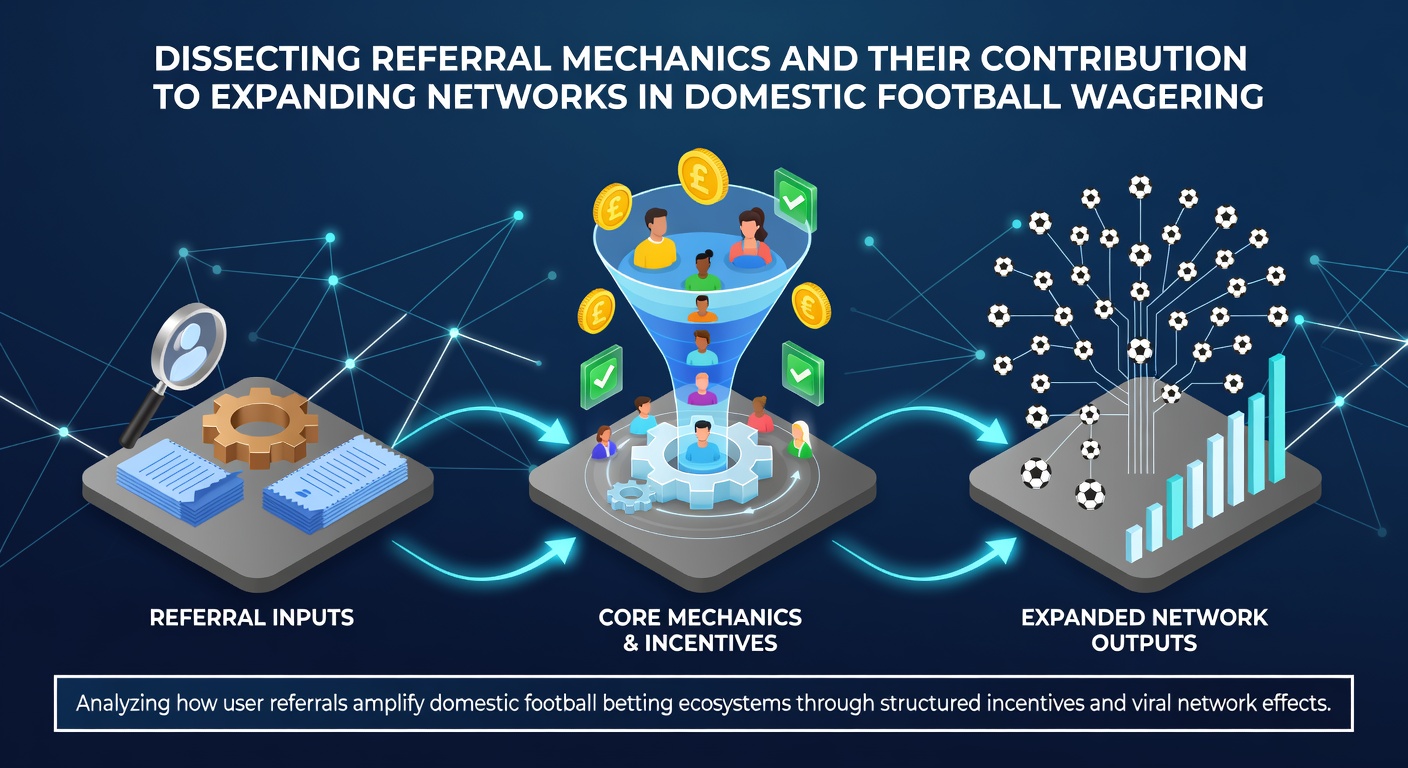
Referral programs function as structured incentives where existing users receive rewards for introducing new participants to betting platforms focused on domestic football leagues, and operators track these connections through unique codes or links that credit accounts upon successful registration and initial deposits. Data from industry reports shows these mechanics operate across various markets, with rewards typically including free bets, deposit matches, or percentage-based commissions on referred users' activity. Operators design these systems to encourage organic growth rather than paid advertising alone, as participants share links within personal networks of friends, family members, and online communities centered around matches in national competitions. Figures reveal that successful referrals often require the new user to complete verification steps and place qualifying bets on football fixtures before rewards activate for both parties.Core Components of Referral Structures
Referral mechanics break down into several consistent elements across platforms, including sign-up bonuses triggered by code entry, ongoing revenue shares calculated from referred users' losses or stakes, and tiered rewards that increase based on the number of successful introductions completed within set periods. Platforms integrate these features with mobile apps and websites to simplify sharing via social media or messaging services during live matches.
Studies from academic sources indicate that such programs frequently tie rewards to football-specific activities, such as accumulator bets on domestic league games or in-play wagers during key fixtures. This alignment ensures referred users engage with the core product immediately upon joining.
Network Expansion Through Peer Connections
These systems contribute to network growth by leveraging existing social ties among football enthusiasts, where one participant might introduce several others over a season, creating clusters of active bettors connected through shared referral chains. Research indicates that networks expand more rapidly in regions with strong domestic league followings, as discussions around matches naturally lead to platform recommendations.
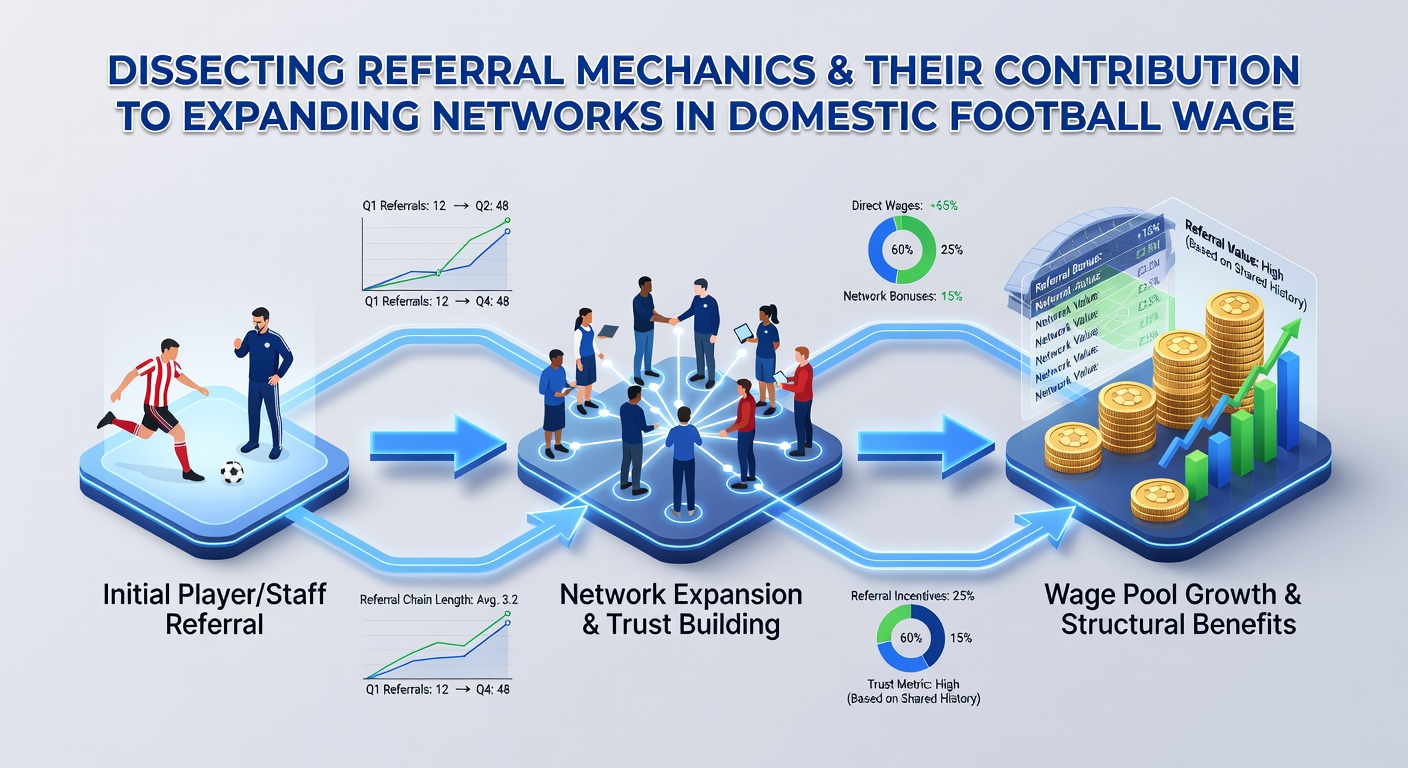
According to findings from the Australian Gambling Research Centre, referral-driven acquisitions accounted for notable portions of user base increases in sports betting segments during recent periods, with football markets showing particular responsiveness due to seasonal fixture schedules. Platforms monitor these expansions through analytics that map referral trees and identify high-performing introducers who receive enhanced incentives.
Operational Patterns Observed in 2026
In June 2026 operators adjusted referral terms ahead of new league seasons, incorporating features such as time-limited boosts for referrals completed during international breaks or enhanced commissions during high-profile domestic derbies. Evidence from market analyses suggests these timed adjustments sustain engagement across quieter periods while preparing for peak activity around major tournaments.
Those who study user behavior patterns note that networks built via referrals demonstrate higher retention rates compared to users acquired through generic promotions, as social accountability and shared interests in football outcomes encourage continued participation. Platforms refine algorithms to detect and reward genuine connections while limiting exploitation through multiple accounts.
Geographic Variations and Supporting Data
Referral approaches differ by jurisdiction based on local regulations and market maturity, with some areas emphasizing one-time bonuses while others prioritize recurring revenue shares tied to long-term referred activity. A report from the New Jersey Division of Gaming Enforcement highlights how similar incentive structures in regulated sports betting environments supported user growth without direct reliance on traditional marketing channels.
Industry organizations such as the European Gaming and Betting Association have documented cases where referral networks facilitated entry into underserved domestic football betting segments, particularly among younger demographics who prefer peer recommendations over broad advertising campaigns. These patterns hold across multiple European markets where football remains a primary betting focus.
Conclusion
Referral mechanics continue to serve as a primary driver for network expansion in domestic football wagering by converting personal connections into structured participation pathways, with data consistently showing their role in building sustained user bases. Platforms refine these tools based on performance metrics from prior seasons, ensuring alignment with evolving league schedules and user preferences observed through 2026.