Referral Networks Shaping Football Wagering Participation Across UK Markets
Written by Logan Russell · Aug 2, 2026
Referral Networks Shaping Football Wagering Participation Across UK Markets
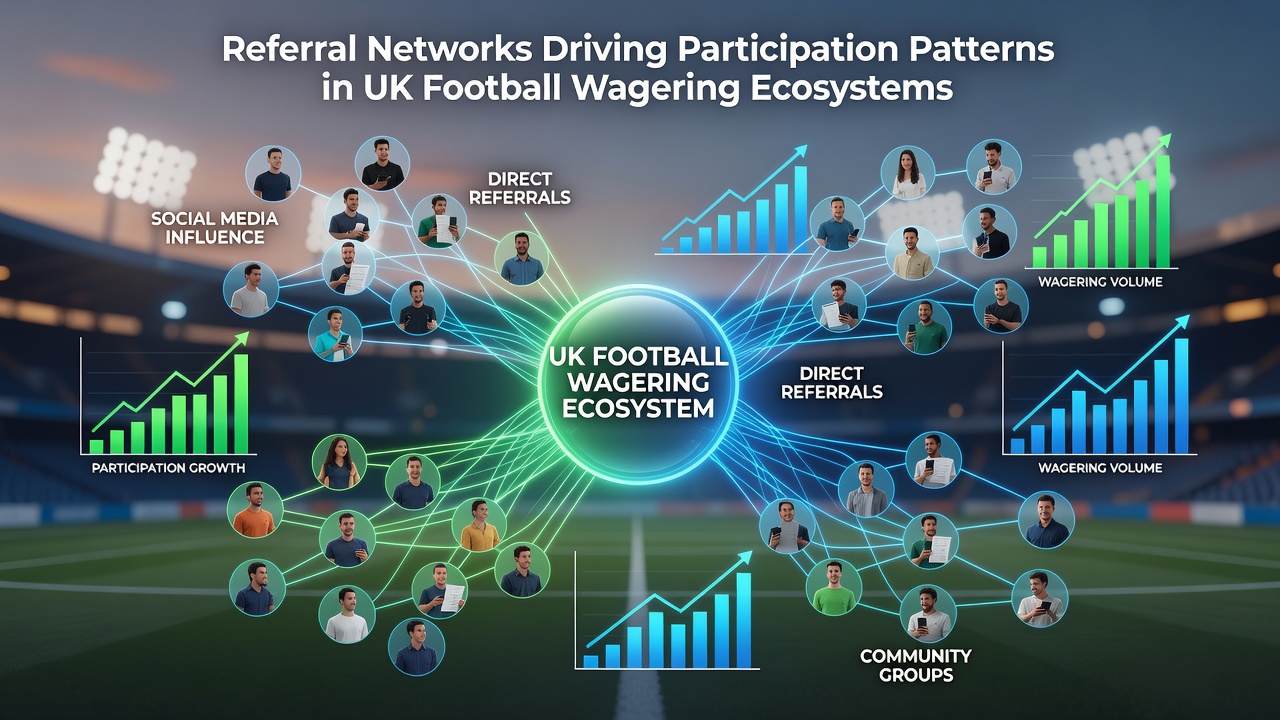
Referral networks operate as structured systems where existing participants invite others to join football wagering platforms, often through shared links or codes that unlock mutual incentives. These arrangements connect individual users into broader webs of activity, and data from industry observers indicates they influence how people enter and sustain involvement in UK football betting ecosystems. Platforms integrate these mechanisms directly into their operations, allowing new sign-ups to receive entry bonuses while referrers accumulate credits tied to the newcomer's initial activity.
Mechanics of Referral Integration in Football Betting Platforms
Operators design referral programs around tiered rewards that scale with the volume of referred activity, and this structure encourages ongoing connections between users. Participants share personalized codes through social channels or messaging apps, which then link new accounts to established ones within the same ecosystem. Studies from the European Gaming and Betting Association highlight how such systems create measurable chains of participation, where each successful referral extends the network and sustains engagement levels across multiple fixtures during the season.
Football-specific elements appear in these programs through targeted promotions tied to Premier League or Championship matches, and operators adjust reward structures based on fixture schedules. Those who've examined platform data note that referral-driven entries often cluster around high-profile games, producing distinct spikes in account creation and deposit patterns. This timing aligns incentives with peak interest periods, allowing networks to expand rapidly when public attention focuses on major matches.
Observed Shifts in Participation Patterns
Participation metrics reveal that referred users demonstrate higher retention rates during the first three months compared with organic sign-ups, according to aggregated platform reports. The connections formed through referrals foster repeated interactions, as users track each other's activity and share outcomes from specific bets on team performances or goal totals. Researchers at institutions examining digital gambling behaviors have documented how these social ties translate into sustained wagering volume, particularly among groups centered on English football leagues.
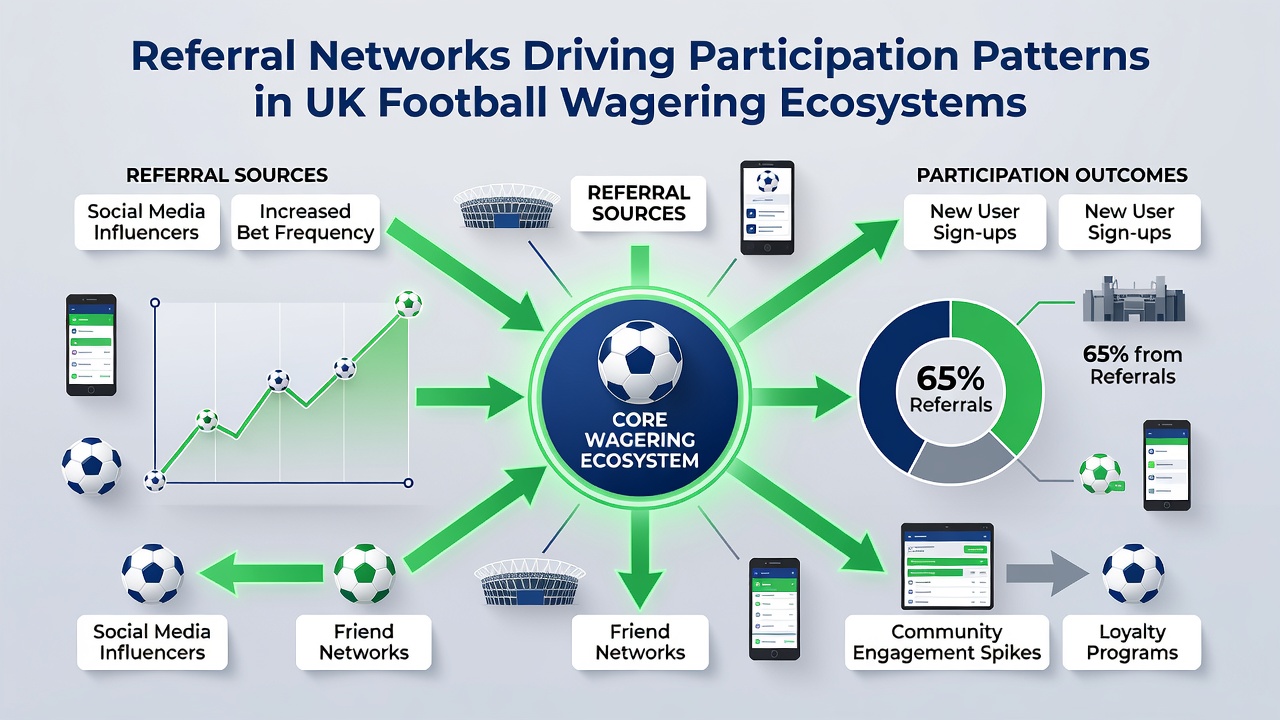
August 2026 data points show continued expansion of these networks coinciding with the start of the new domestic season, where referral traffic accounted for a notable portion of new football betting accounts. Patterns indicate that groups formed around shared referral chains tend to concentrate bets on accumulators and in-play options, producing clustered activity rather than isolated individual wagers. This distribution creates feedback loops where successful outcomes within the network prompt further invitations and deposits.
Regional Variations and Network Density
Urban centers in England exhibit denser referral clusters than rural areas, driven by higher smartphone penetration and social media usage among football supporters. Platforms report that participants in these concentrated networks access additional features such as group challenges or shared prediction tools, which further embed wagering into routine match viewing. A report issued by the Responsible Gambling Council of Canada examined similar referral dynamics in international markets and found comparable concentration effects around team-based sports betting.
Cross-border elements occasionally appear when UK residents refer contacts in neighboring regions, though regulatory differences limit seamless reward transfers. Observers tracking these flows note that football remains the dominant category attracting referral activity, outpacing other sports in network growth rates through mid-2026.
Platform Adjustments and Network Sustainability
Operators refine referral terms periodically to maintain network health, capping reward tiers or introducing cooling periods between new invitations. These adjustments respond to observed saturation points where additional referrals yield diminishing returns on participation metrics. Data compiled by academic teams studying online gambling ecosystems shows that balanced incentive structures preserve long-term network stability while preventing rapid churn among newer participants.
Football wagering platforms also layer educational content into referral flows, directing new users toward responsible staking guidelines embedded in welcome sequences. This integration occurs alongside the incentive mechanics, providing structured pathways that accompany the social expansion of each network.
Conclusion
Referral networks continue to influence entry points and ongoing engagement levels within UK football wagering environments through interconnected reward systems and social sharing features. Platform data and external analyses demonstrate consistent patterns of clustered participation around major fixtures, with network density varying by region and season timing. These structures remain embedded in operator strategies as mechanisms for expanding user bases while shaping how individuals interact with football betting options throughout the calendar year.