Network Effects in British Football Wagering: The Role of Referrals and Shared Predictions
Written by Sage Reed · Jul 17, 2026
Network Effects in British Football Wagering: The Role of Referrals and Shared Predictions
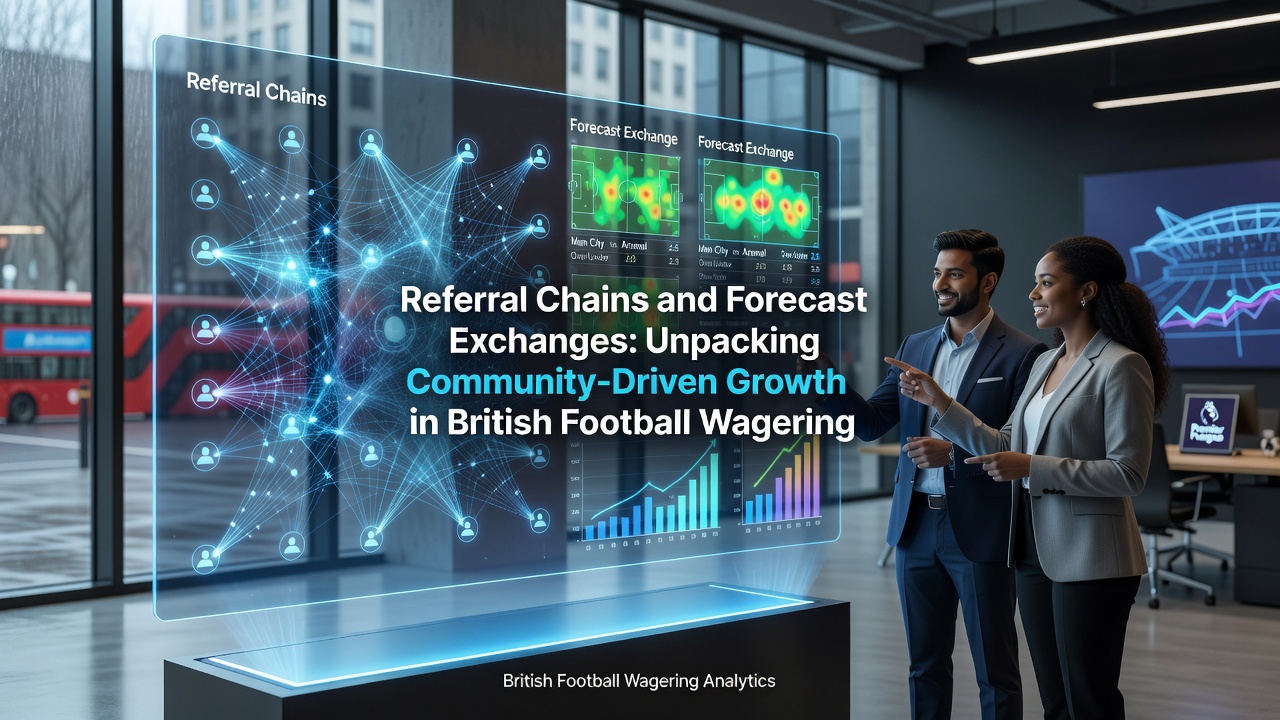
Referral chains and forecast exchanges have become central mechanisms in the expansion of British football wagering, as users build connections that facilitate both new account creation and shared analytical resources. These structures operate through digital platforms where existing participants invite others, often receiving credits or bonus funds once the referred party completes registration and places qualifying bets on matches from leagues such as the Premier League or Championship. Forecast exchanges function as communal spaces where individuals post, compare, and refine match predictions, sometimes integrating these into betting decisions or exchange-style wagers on outcomes.
Mechanics of Referral Chains in UK Platforms
Referral programs in British football betting typically link rewards to verifiable actions such as deposits and initial wagers on fixtures, creating sequential chains as new users extend invitations to additional participants. Operators track these through unique codes or links, distributing incentives that may include free bets or cash equivalents after conditions like minimum stake amounts on specific games are met. Data from industry reports indicate that such systems contribute to user acquisition rates, with chains forming clusters around popular events like weekend Premier League rounds where collective participation rises.
Observers note that these chains gain momentum during periods of high fixture density, including the summer transfer window leading into the 2026 season, because participants share codes within social groups focused on team news and lineup changes. Platforms enforce rules against self-referrals and multiple accounts to maintain compliance with regulatory standards, yet the structure allows organic expansion as satisfied users pass along offers to peers interested in football markets.
Forecast Exchanges as Collaborative Tools
Forecast exchanges differ from traditional tipster services by enabling direct interaction among users who upload predictions, adjust probabilities based on group feedback, and sometimes stake on collective forecasts through integrated betting functions. In the British context these platforms aggregate data on team form, player statistics, and historical results for games across the English football pyramid, allowing participants to refine models collaboratively before matches occur.
Research from academic sources shows that participants in such exchanges often demonstrate improved calibration of probability estimates over time compared to solitary bettors, because repeated exposure to diverse viewpoints highlights biases in individual assessments. One study published in the Journal of Gambling Studies found measurable shifts in forecasting accuracy when users engaged with peer-reviewed predictions rather than isolated analysis, particularly for high-volume markets like over/under goals in Premier League contests.
Integration of Referrals with Prediction Communities
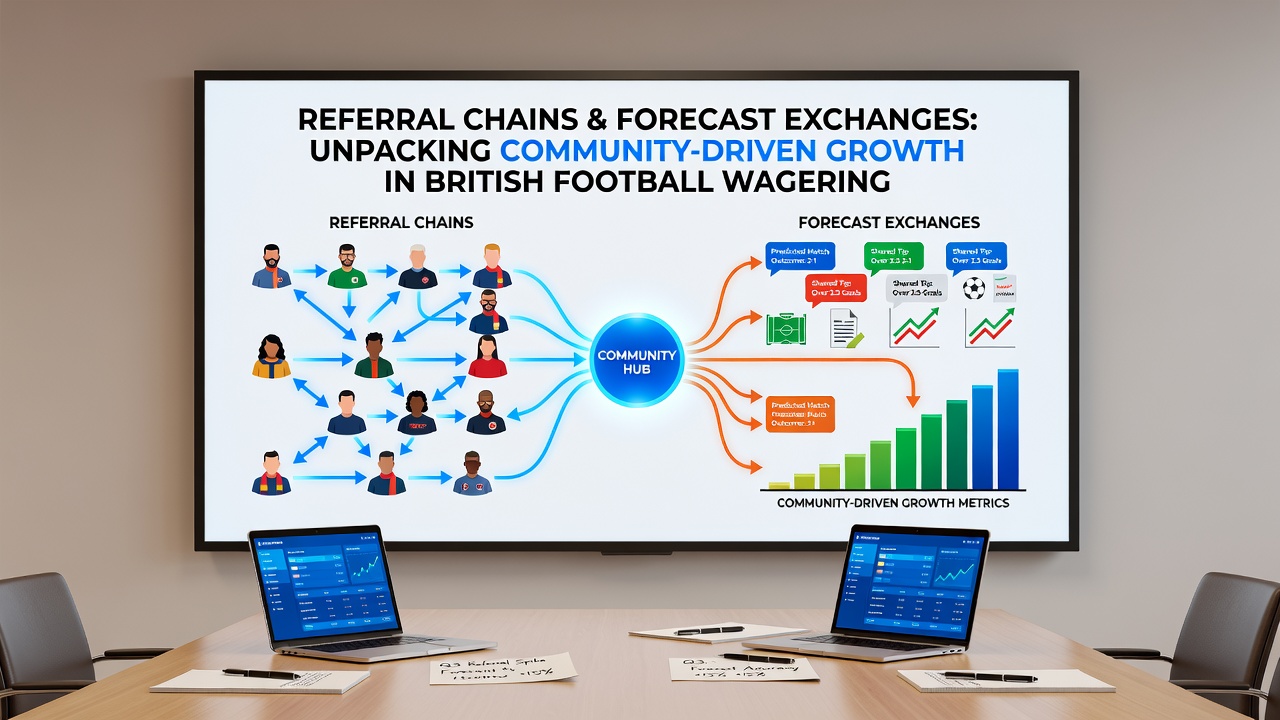
Many British betting applications now combine referral incentives with access to forecast exchanges, granting new users immediate entry to group discussions once they join through an existing chain. This linkage encourages sustained engagement because referred participants encounter ready-made networks for sharing insights on upcoming fixtures, while referrers accumulate rewards tied to the activity levels of those they brought in. Patterns observed in 2026 reveal heightened activity around July, when pre-season friendlies and squad announcements prompt users to exchange early forecasts and distribute referral codes within fan communities.
Industry analyses from groups such as the Canadian Centre on Substance Use and Addiction highlight how these integrated systems can amplify participation volumes, since community features reduce the friction of entering new markets. Participants exchange not only predictions but also strategies for navigating accumulator bets or in-play adjustments during live matches, creating feedback loops that sustain interest across multiple weekends of fixtures.
Measurement of Growth Through Community Metrics
Platform operators monitor metrics including chain length, repeat engagement rates within forecast groups, and conversion from casual prediction users to active bettors. Figures from European regulatory bodies indicate that community-oriented features correlate with higher retention during off-peak months, as users maintain connections through shared analysis even when fewer major matches occur. In British football wagering specifically, exchanges focused on lower-league games have expanded participation beyond the Premier League spotlight, allowing smaller clubs to generate interest through localized prediction threads.
Those who track these developments point to examples where forecast accuracy competitions within exchanges lead to tiered rewards, further embedding users within the referral structure. Such competitions run parallel to standard betting offerings and draw participants who value the analytical aspect alongside potential financial returns from correct forecasts.
Regulatory Context and Platform Adaptations
British operators adjust referral and exchange features to align with licensing requirements that emphasize responsible participation, including limits on bonus stacking and requirements for age verification at multiple points in teh chain. Platforms have introduced tools that allow users to set personal boundaries on sharing activity within groups, responding to guidance from oversight agencies across different jurisdictions. As of mid-2026, adaptations include enhanced transparency in how prediction data influences displayed odds or suggested bets, giving participants clearer information before they engage with community forecasts.
Academic researchers continue to examine the long-term effects of these networks on betting volumes, with some longitudinal projects based at institutions in Australia tracking cohorts of users who joined through referrals and participated in exchanges over multiple seasons. Preliminary outputs suggest that community structures can distribute activity more evenly across user bases rather than concentrating it among a small core of high-volume participants.
Conclusion
Referral chains and forecast exchanges represent interconnected elements that support measurable expansion in British football wagering by linking individual incentives to collective analytical resources. Their continued evolution depends on platform design choices, participant behavior patterns, and alignment with broader regulatory frameworks that govern user acquisition and information sharing. Data from multiple regions show these mechanisms operating as drivers of network growth without requiring direct operator intervention beyond initial setup and ongoing moderation.