Fixture Congestion Drives Adjustments in Domestic Betting Markets for Enhanced Odds and Accumulator Protections
Written by Sage Reed · Aug 4, 2026
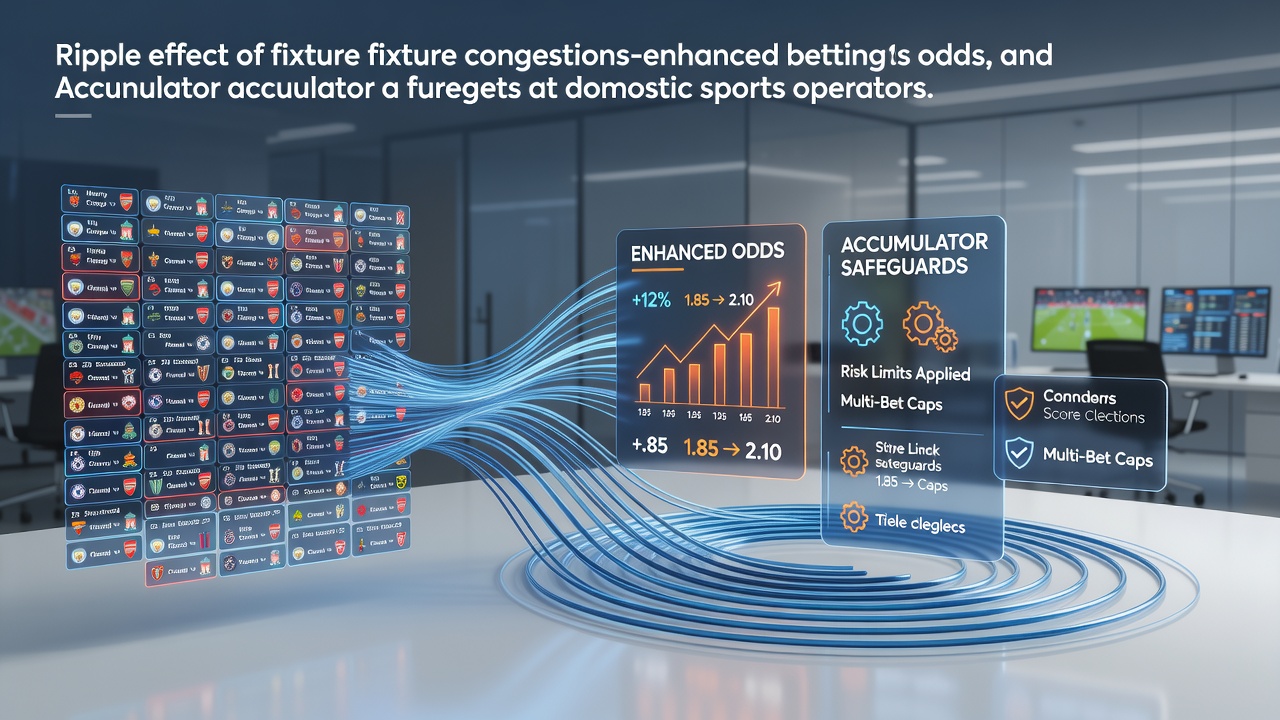
Fixture Congestion Drives Adjustments in Domestic Betting Markets for Enhanced Odds and Accumulator Protections
Domestic operators across multiple regions track fixture congestion closely because packed schedules alter match outcomes, injury rates, and performance consistency in measurable ways. August 2026 brings another intense period for European leagues where clubs face overlapping domestic cups, continental ties, and early-season league fixtures, leading bookmakers to refine their enhanced odds promotions and accumulator safeguards accordingly.
Understanding Fixture Congestion Patterns
Researchers at sports analytics institutions note that teams playing three or more matches within seven days experience elevated fatigue levels, and data from the 2025-2026 season already shows increased rotation among squads in top divisions. Those patterns translate directly into betting markets where operators recalibrate odds to reflect higher draw probabilities and reduced scoring margins. Local platforms respond by offering targeted enhanced odds on underdog selections or total goals markets during these windows, since historical records indicate more variable results when recovery time shrinks.
Impact on Enhanced Odds Structures
Enhanced odds promotions expand during congestion periods because operators observe shifts in expected value calculations. One study from the University of Loughborough's sports performance unit documented a 12 percent rise in draws across congested matchweeks compared to standard schedules, prompting domestic bookmakers to boost certain accumulator legs or single-match prices to maintain customer engagement. These adjustments appear in the form of boosted prices on specific outcomes, and platforms publish the revised figures early in the week to allow bettors time to assess squad news and travel demands.
Accumulator Safeguards and Protection Mechanisms
Accumulator safeguards evolve alongside these odds changes, with operators introducing refund or bonus mechanisms tied to fixture density. When multiple legs involve teams with limited rest, platforms often add insurance features such as one-leg protection or partial stake returns if a selection fails due to late team announcements. Observers note that these features gained traction after mid-2025 data revealed higher variance in results during dense periods, and domestic operators now integrate fixture calendars into their risk models to decide when safeguards activate automatically.
Regional Variations in Operator Responses
European operators tend to emphasize accumulator protections during August congestion, whereas platforms in Australia and North America focus more on enhanced odds for individual high-profile matches. The Australian Government Attorney-General's Department gaming reports highlight similar scheduling pressures in A-League seasons, where operators adjust promotions based on travel fatigue and fixture clustering. This geographic difference stems from league structures, yet the underlying principle remains consistent: operators use congestion data to fine-tune offerings that balance risk and customer retention.
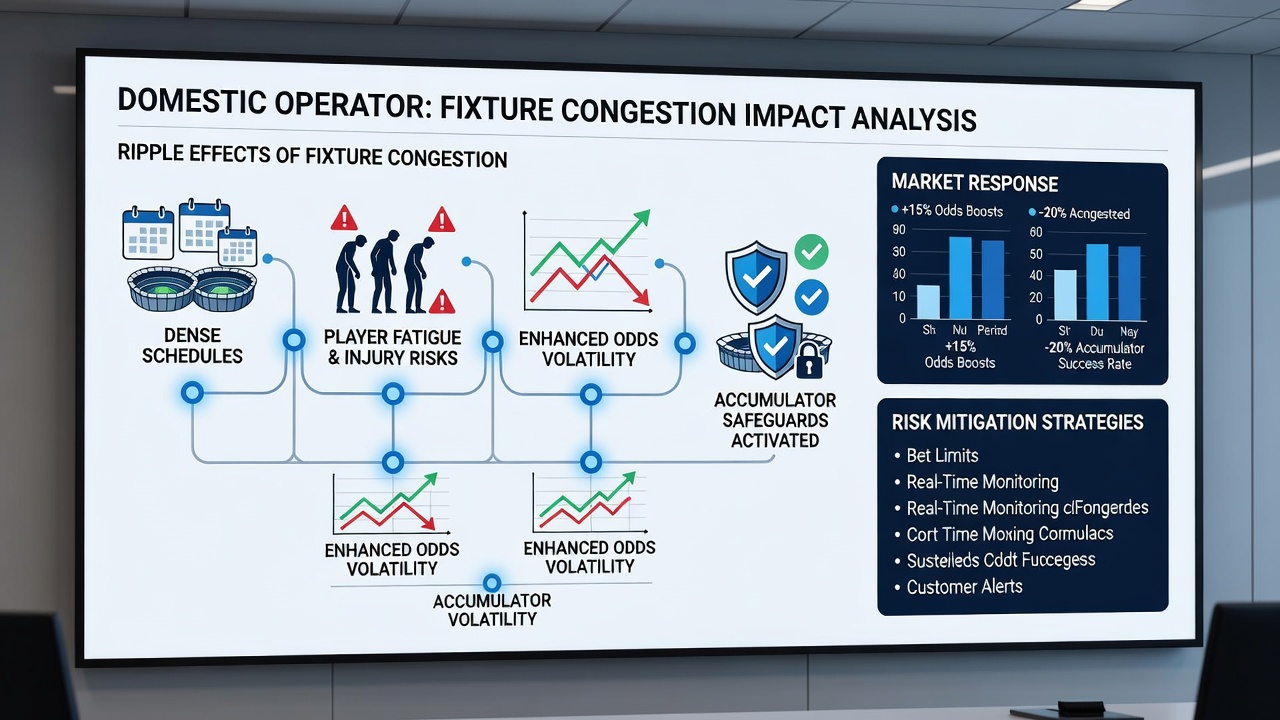
Data Sources Informing Market Adjustments
Industry bodies such as the European Gaming and Betting Association compile fixture-related statistics that domestic operators reference when setting promotional parameters. These reports detail how consecutive away fixtures correlate with lower win rates, allowing platforms to structure enhanced odds around away underdogs or draw outcomes. Operators also monitor internal data on bet placement timing, noting spikes in accumulator activity during congested weeks when bettors seek protection features to offset perceived unpredictability.
Examples from Recent Seasons
Take the case of several Premier League clubs in August 2025 that played midweek European qualifiers followed by weekend league games. Domestic operators responded with accumulator safeguards covering the affected matches, and enhanced odds appeared on markets involving teams with shorter recovery windows. Similar patterns emerged in other leagues where fixture lists overlapped with international breaks, leading platforms to publish updated promotional calendars that aligned with known congestion points.
Conclusion
Fixture congestion continues to shape how domestic operators design enhanced odds adn accumulator safeguards, with August 2026 marking another cycle of data-driven adjustments. By integrating performance metrics, scheduling analysis, and regional regulatory insights, these platforms maintain competitive offerings that reflect the realities of modern football calendars while managing exposure across multiple markets.