Dissecting Seasonal Reward Ecosystems Among Betting Operators
Written by Tina Lorenz · Jun 9, 2026
Dissecting Seasonal Reward Ecosystems Among Betting Operators
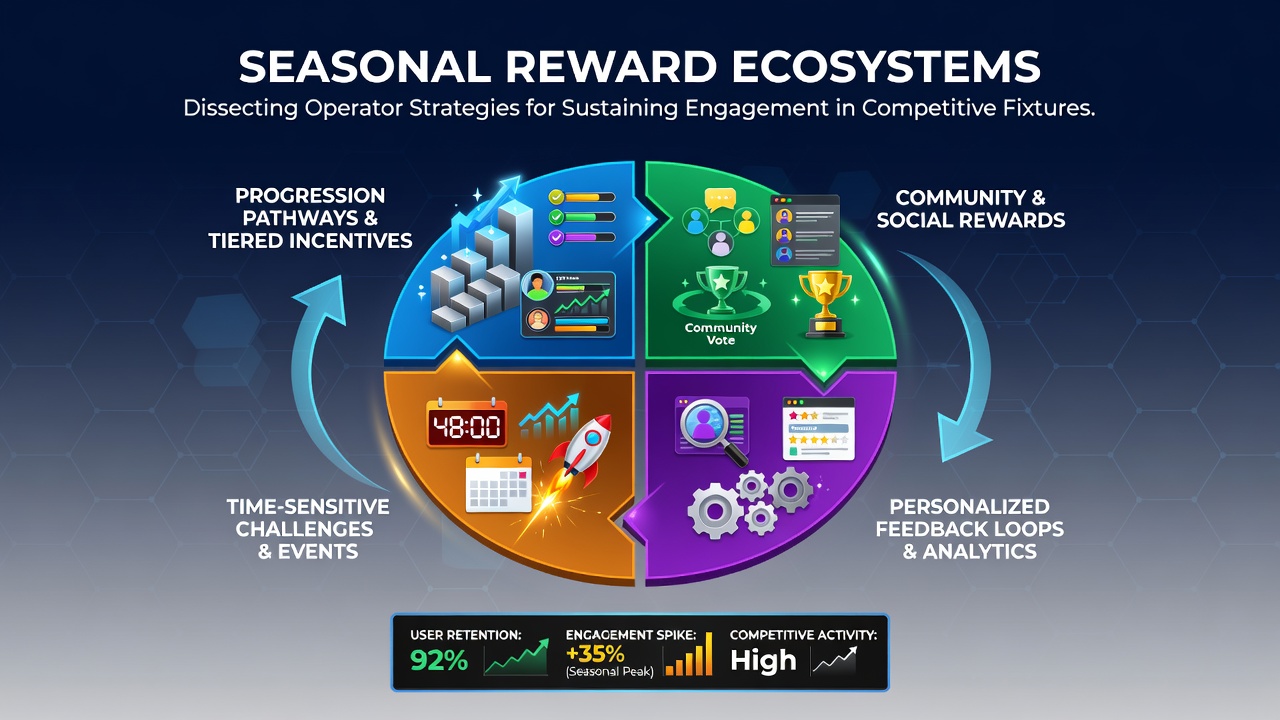
Operators in the sports wagering sector have developed layered reward systems that align with the rhythms of major competitions, and these frameworks aim to keep participants active through structured incentives tied to fixture schedules. Data from industry analyses show that such programs often combine tiered loyalty points, milestone bonuses, and fixture-specific multipliers, which together create ongoing cycles of engagement rather than one-off promotions.
Core Components of Seasonal Ecosystems
Seasonal reward structures typically incorporate base loyalty tiers that reset or evolve at the start of new competition periods, while additional layers activate around key matchdays. Observers note that operators segment these benefits by user activity levels, where higher-volume participants unlock enhanced cashback rates or exclusive prediction tools during intense fixture clusters. Research from the European Gaming and Betting Association indicates that integration of real-time data feeds allows these systems to adjust reward values dynamically based on live event outcomes and user behavior patterns.
Fixture-Tied Incentive Mechanisms
Competitive fixtures drive the activation of targeted offers such as accumulator safeguards and boosted odds that coincide with league phases. These tools connect directly to match calendars, and operators deploy them to bridge quieter periods between major tournaments. A study published through the Canadian Centre on Substance Use and Addiction examined how timing of such incentives correlates with sustained platform visits across multi-week seasons, revealing patterns where rewards tied to specific fixtures increase repeat logins by measurable margins compared to generic promotions.
Adaptation Strategies Across Competition Cycles
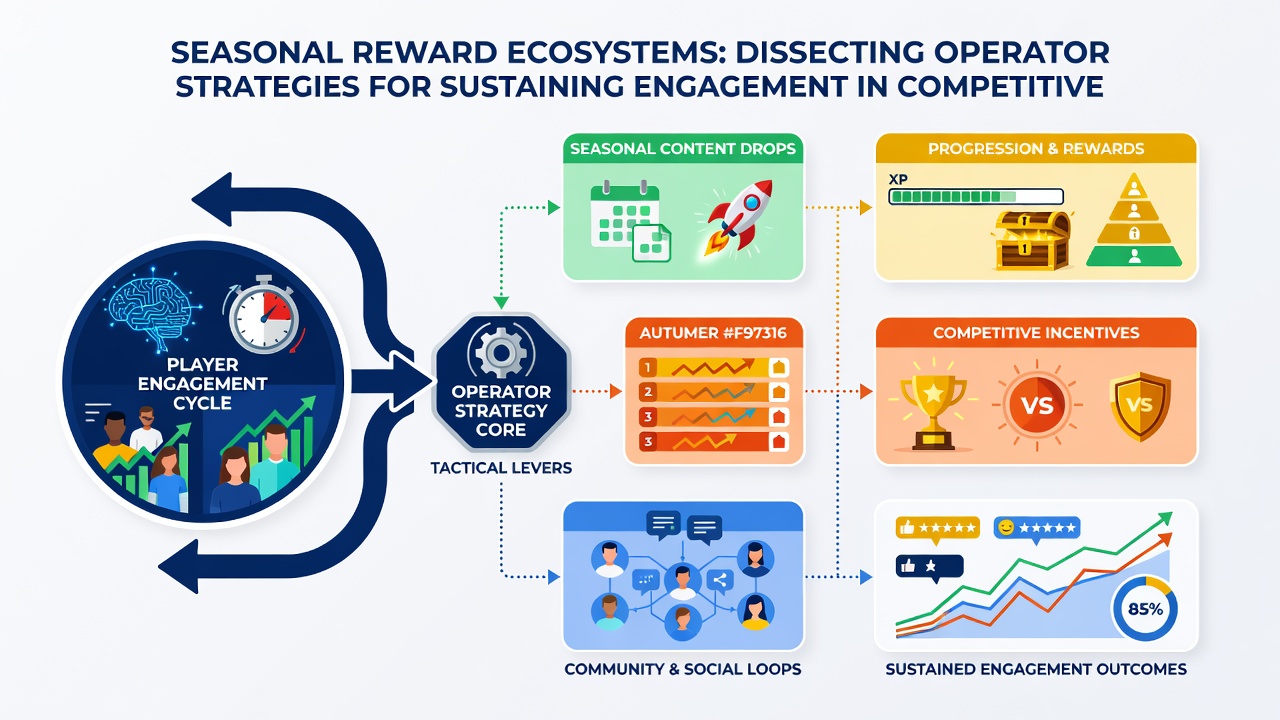
Operators adjust ecosystem parameters as seasons progress from pre-competition build-up through peak intensity and into post-season reviews. During June 2026, several platforms introduced transitional reward tracks that carried engagement from concluded European leagues into emerging international tournaments, using seamless point carry-over mechanics. Those who have tracked these transitions report that cross-competition linkages reduce drop-off rates, because participants maintain accumulated status without interruption. What's interesting here is how data integration from multiple sports calendars enables operators to forecast low-engagement windows and preempt them with preemptive bonus activations.
Data-Driven Refinements and User Segmentation
Advanced segmentation relies on behavioral analytics that categorize participants by fixture preferences and reward redemption habits. Operators apply machine learning models to predict which incentive combinations will maintain activity during fixture-heavy weekends versus midweek lulls. Figures from the Australian Institute of Family Studies highlight that personalized reward pathways, calibrated to individual betting histories, produce higher retention metrics than uniform offers distributed across all users. This approach allows platforms to allocate resources efficiently while sustaining engagement through varied competition stages.
Regulatory Influences on Ecosystem Design
Compliance requirements shape how operators structure these seasonal programs, particularly around responsible gambling limits and transparency in bonus terms. Jurisdictions in North America and parts of Asia impose caps on reward frequency and value, prompting operators to emphasize skill-based elements such as enhanced forecasting tools rather than pure monetary incentives. Those who've reviewed compliance reports note that clear disclosure of terms correlates with longer-term user trust, which in turn supports sustained participation across entire seasons.
Cross-Platform Integration Trends
Many operators now link reward ecosystems across mobile applications and desktop interfaces, ensuring consistent progress tracking regardless of access point. This integration extends to partner platforms in some cases, where shared loyalty currencies allow users to transfer benefits between sports and other gaming verticals during off-peak fixture periods. Industry reports from the Asia Pacific Association of Gaming Regulators show that such connectivity contributes to broader retention figures, especially when seasonal competitions overlap with other entertainment calendars.
Conclusion
Seasonal reward ecosystems represent coordinated efforts by operators to align incentives with the natural cadence of competitive fixtures, using data analytics, tiered benefits, and cross-period linkages to maintain activity levels. Evidence from multiple regulatory and research bodies demonstrates measurable impacts on engagement metrics, while adaptations continue in response to both market dynamics and oversight frameworks. These systems evolve continuously, reflecting shifts in competition schedules and participant behaviors observed through 2026.