Decoding Loyalty Frameworks in Accumulator Refund Systems for British Regulated Betting Applications
Written by Logan Russell · Jun 30, 2026
Decoding Loyalty Frameworks in Accumulator Refund Systems for British Regulated Betting Applications
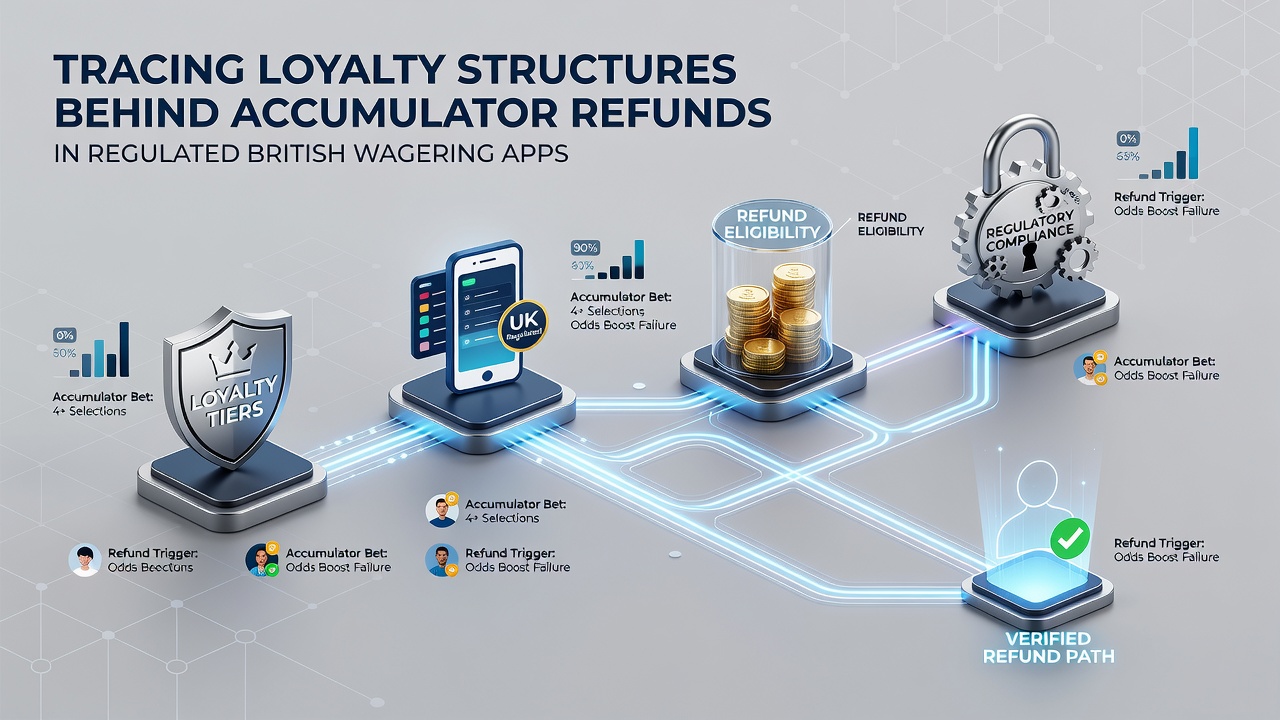
Accumulator refund mechanisms have become integrated components within loyalty architectures deployed across regulated British wagering applications, where operators track user engagement through layered reward systems that tie refund eligibility to cumulative betting activity and account tenure. These frameworks operate by assigning users to progressive tiers based on metrics such as total stakes placed over defined periods, frequency of accumulator selections, and retention rates, which in turn determine the percentage of stake returned when an accumulator falls short by a single selection.
Core Components of Accumulator Refund Integration
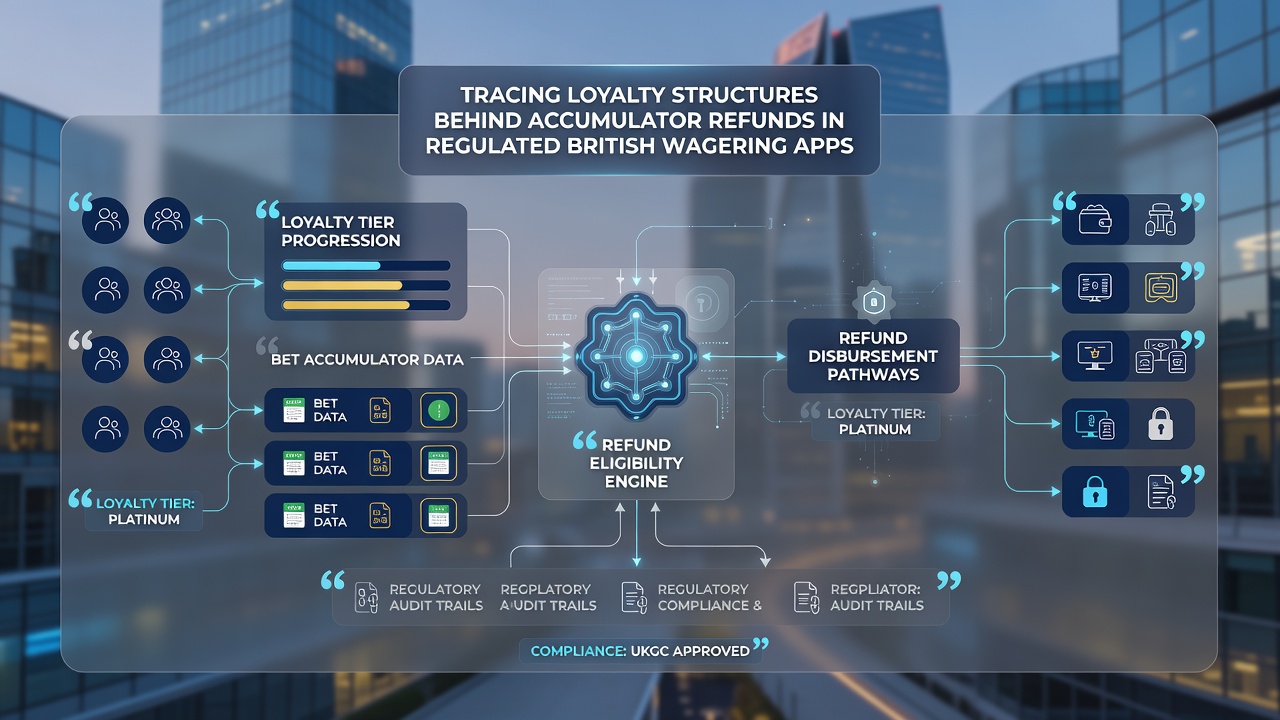
Operators structure these refunds as extensions of broader loyalty programs rather than standalone promotions, with data systems logging each bet into centralized profiles that calculate tier advancement automatically. In June 2026, several platforms updated their algorithms to factor in real-time session data alongside historical patterns, allowing users who maintain consistent accumulator volume to unlock higher refund percentages without separate enrollment steps. This approach connects refund triggers directly to loyalty progression, where a mid-tier user might receive a 10 percent stake return on near-miss accumulators while top-tier accounts access up to 25 percent returns coupled with multiplier bonuses on subsequent wagers.
Data Tracking and Tier Progression Mechanics
Behind the user interface, loyalty structures rely on relational databases that map individual bet histories to refund qualifiers, incorporating variables such as minimum leg counts in accumulators and total wager thresholds that reset monthly or quarterly. Researchers at institutions like the Gambling Research Exchange Ontario have documented similar tiered models in international markets, noting how these systems prioritize retention by rewarding volume while maintaining compliance boundaries. British apps extend this by embedding refund logic into mobile notification engines that alert users when their current tier status qualifies them for enhanced accumulator protections during high-profile fixture periods.
One study from the Australian Gambling Research Centre examined loyalty integration patterns and found that refund features tied to tier status increased repeat accumulator participation by measurable margins across sampled platforms. Those patterns mirror developments in British apps where June 2026 updates introduced seasonal tier resets aligned with major league calendars, ensuring users who accumulate sufficient points through consistent play retain access to refund safeguards even as promotional calendars shift.
Regulatory and Compliance Layering
Regulated environments require these loyalty frameworks to incorporate responsible gambling checkpoints, such as mandatory cooling-off prompts before tier-based refunds activate and spending limit integrations that pause refund eligibility once thresholds are reached. Observers note that operators segment refund processing through separate compliance modules that cross-reference loyalty data against user-set boundaries, preventing automatic refunds from overriding self-exclusion settings. This separation keeps the systems modular, allowing updates to refund percentages without altering core loyalty scoring engines.
Platform-Specific Implementation Variations
Different applications handle accumulator refund linkages through distinct prioritization schemes, with some weighting recent activity more heavily while others emphasize long-term tenure for tier maintenance. In practice this means a user who places frequent accumulators during peak seasons can accelerate through tiers faster than one with sporadic but high-value bets, directly affecting the speed at which refund protections become available. Industry reports from groups such as the National Council on Problem Gambling highlight how transparent display of these weighting rules helps users understand progression pathways, reducing confusion around why certain accumulators trigger refunds while others do not.
June 2026 saw several apps introduce cross-promotional elements where loyalty points earned from accumulator refunds could be exchanged for entry into separate prediction challenges, creating additional engagement loops within the same framework. These exchanges remain governed by the same tier rules, so higher-status accounts receive more favorable conversion rates when redeeming accumulated points.
Conclusion
Loyalty structures supporting accumulator refunds in regulated British wagering apps function as interconnected systems that blend user tracking, tier advancement, and compliance controls into unified platforms. Data from international research bodies continues to inform how these frameworks evolve, with June 2026 updates demonstrating ongoing refinements to refund eligibility tied directly to loyalty metrics. The result is a landscape where refund access reflects sustained engagement patterns rather than isolated promotional events.