Broadcast Partnerships Reshaping Promotional Timing for Soccer Wager Incentives on British Platforms
Written by Logan Russell · May 29, 2026
Broadcast Partnerships Reshaping Promotional Timing for Soccer Wager Incentives on British Platforms
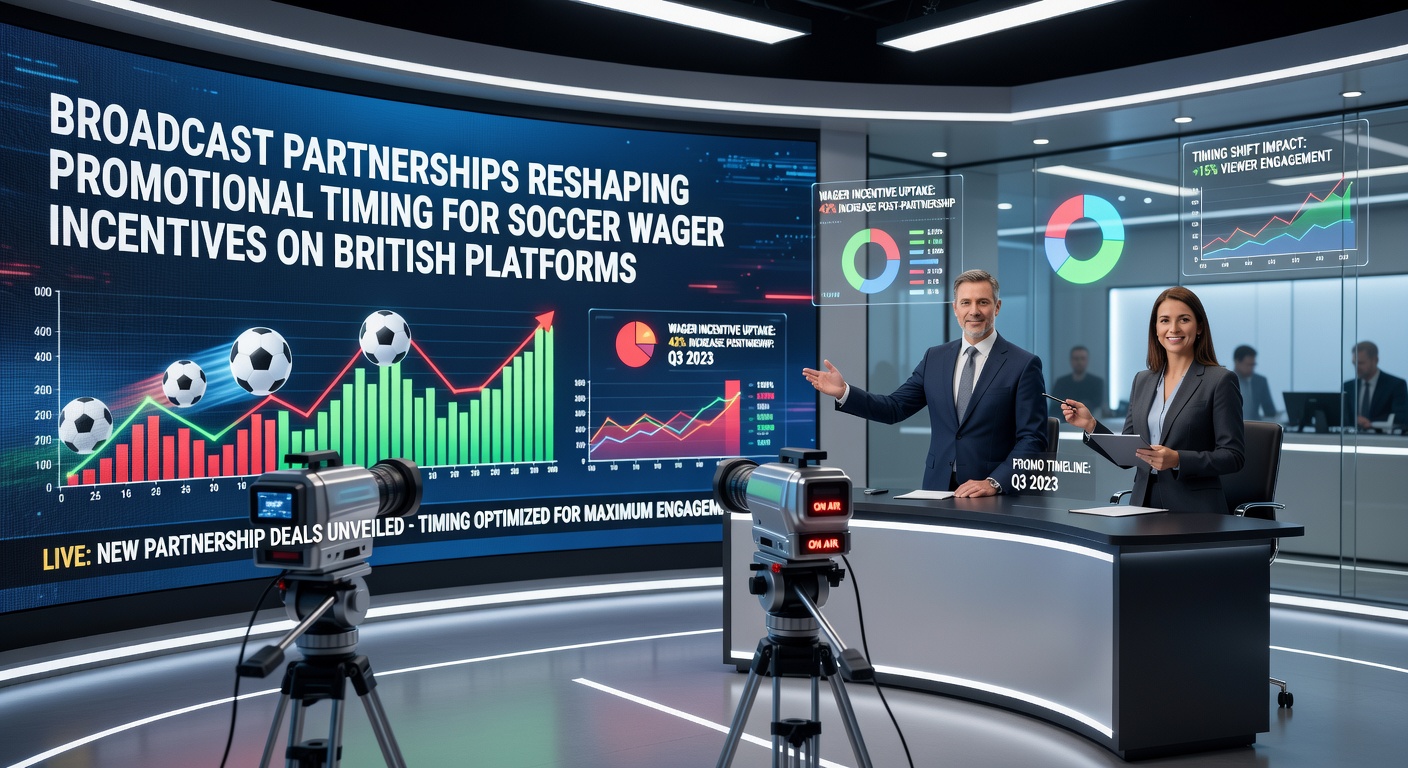
Broadcast partnerships now dictate much of the calendar for soccer wager incentives on British platforms, since television rights agreements set match schedules that operators align with their bonus releases, and this alignment has grown tighter as streaming services join traditional broadcasters in the mix. Rights packages sold by leagues create predictable windows for live coverage, which in turn shape when deposit matches, odds boosts, and free bet drops appear on betting apps and sites. Data from industry trackers show that major promotions cluster around Premier League kickoff times and European competition nights, whereas quieter midweek slots receive fewer incentives.
Media Rights and Schedule Influence
Premier League broadcasting contracts, renewed every three years, establish the framework for weekend and weekday fixtures, and British betting operators respond by loading accumulator offers and cash-out enhancements into those same time blocks. International rights holders add further layers because overseas broadcasts often highlight specific teams, prompting localized promos that target supporters in those regions. Observers note that when a new streaming partner secures a package, the promotional calendar shifts to accommodate fresh start times and additional mid-season friendlies that fill gaps in the schedule.
Operators track these changes through internal dashboards that map fixture lists against historical bonus performance, and they adjust stake limits or multiplier values accordingly. Research from the European Gaming and Betting Association indicates that synchronized timing between broadcast slots and incentive drops increases user engagement metrics by measurable margins during peak viewing hours. This coordination extends to cup competitions as well, where quarter-final and semi-final draws receive dedicated reload bonuses timed to the television announcement shows.
Seasonal Patterns and May 2026 Outlook
Current patterns reveal that the heaviest concentration of soccer wager incentives occurs in August, December, and April, periods that align with dense fixture lists broadcast across multiple channels. May 2026 stands out because the final weeks of the season coincide with the conclusion of several multi-year rights deals, which may trigger transitional scheduling changes and corresponding adjustments in promotional structures. Operators have already begun planning staggered free bet packages that roll out as the new broadcast calendar stabilizes, and these plans incorporate data on viewer migration between linear television and on-demand platforms.
One study published by the University of Sydney’s Gambling Research Unit found that timing promotions to coincide with high-profile televised matches correlates with elevated participation rates across monitored jurisdictions. British platforms apply similar logic by front-loading accumulator protection offers ahead of Saturday afternoon blocks, then tapering them during international breaks when fewer domestic fixtures receive prime-time coverage. This measured approach allows operators to maintain consistent spend levels without overextending bonus budgets during lower-viewership windows.
Platform Adaptations and Incentive Mechanics
British betting sites have introduced dynamic pricing engines that automatically adjust odds boosts based on real-time broadcast data feeds, and these systems trigger stake shields or cashback offers when viewership spikes occur. Mobile applications push notifications seconds after a match broadcast begins, directing users toward time-sensitive incentives that expire at half-time or full-time. Such mechanics reflect the technical integration between media partners and gambling operators, where shared APIs enable rapid synchronization of content and promotions.
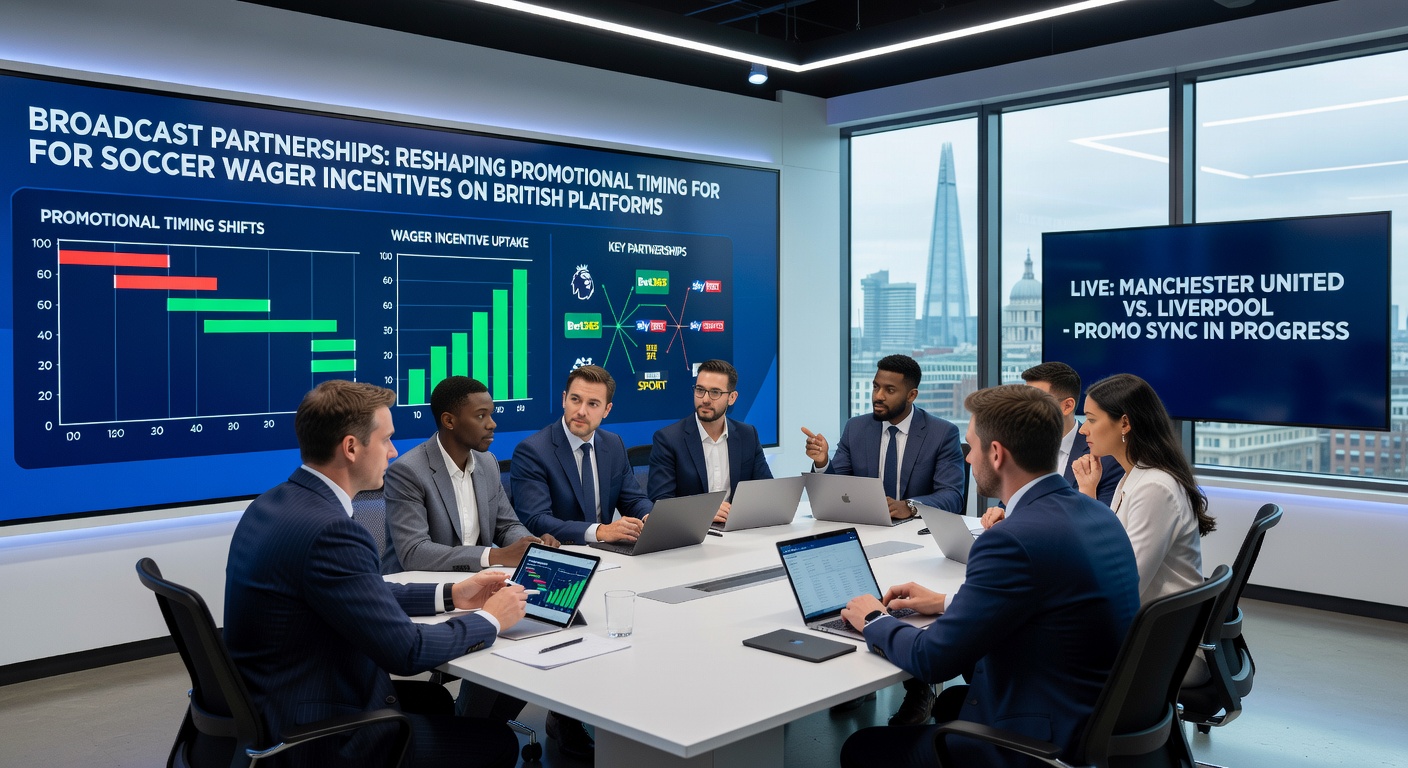
Referral programs and loyalty ladders also follow broadcast rhythms, with tiered rewards unlocked during extended coverage of marquee games that run late into evening slots. Operators report that users who engage with these broadcast-timed offers show higher retention across subsequent weeks, according to internal analytics shared at industry forums. The approach differs from earlier models that relied on fixed calendar dates regardless of actual television exposure.
Regulatory Context and Industry Response
Regulators in multiple jurisdictions, including Australia’s state-based authorities and Canada’s provincial gaming commissions, have examined how broadcast-driven promotions affect player behavior, and their findings inform similar discussions among British operators. Platforms respond by embedding spending caps and reality-check reminders directly into the promotional flow, ensuring that broadcast-aligned incentives include built-in safeguards. Trade associations such as the World Lottery Association have published guidelines encouraging transparency around timing strategies, and several major British groups have adopted these recommendations voluntarily.
Academic papers from the University of British Columbia highlight that predictable promotional calendars tied to external media events reduce the perception of inducement pressure, because users anticipate the offers in advance rather than encountering unexpected triggers. British platforms apply this principle by publishing monthly promo roadmaps that reference upcoming broadcast schedules, allowing users to plan participation around their viewing habits.
Conclusion
Broadcast partnerships continue to redefine when soccer wager incentives appear on British platforms, because rights agreements establish the underlying fixture rhythms that operators follow with precision. As new media deals approach completion in May 2026, further refinements to promotional timing will likely emerge, shaped by data on viewership patterns and cross-platform engagement. The integration of live scheduling feeds with bonus engines represents a structural shift that aligns commercial objectives with the realities of televised soccer coverage across the United Kingdom.