Behind the Screens: Algorithms Personalizing Free Bet Eligibility Based on Historical Wagers in UK Soccer
Written by Sage Reed · Jun 2, 2026
Behind the Screens: Algorithms Personalizing Free Bet Eligibility Based on Historical Wagers in UK Soccer
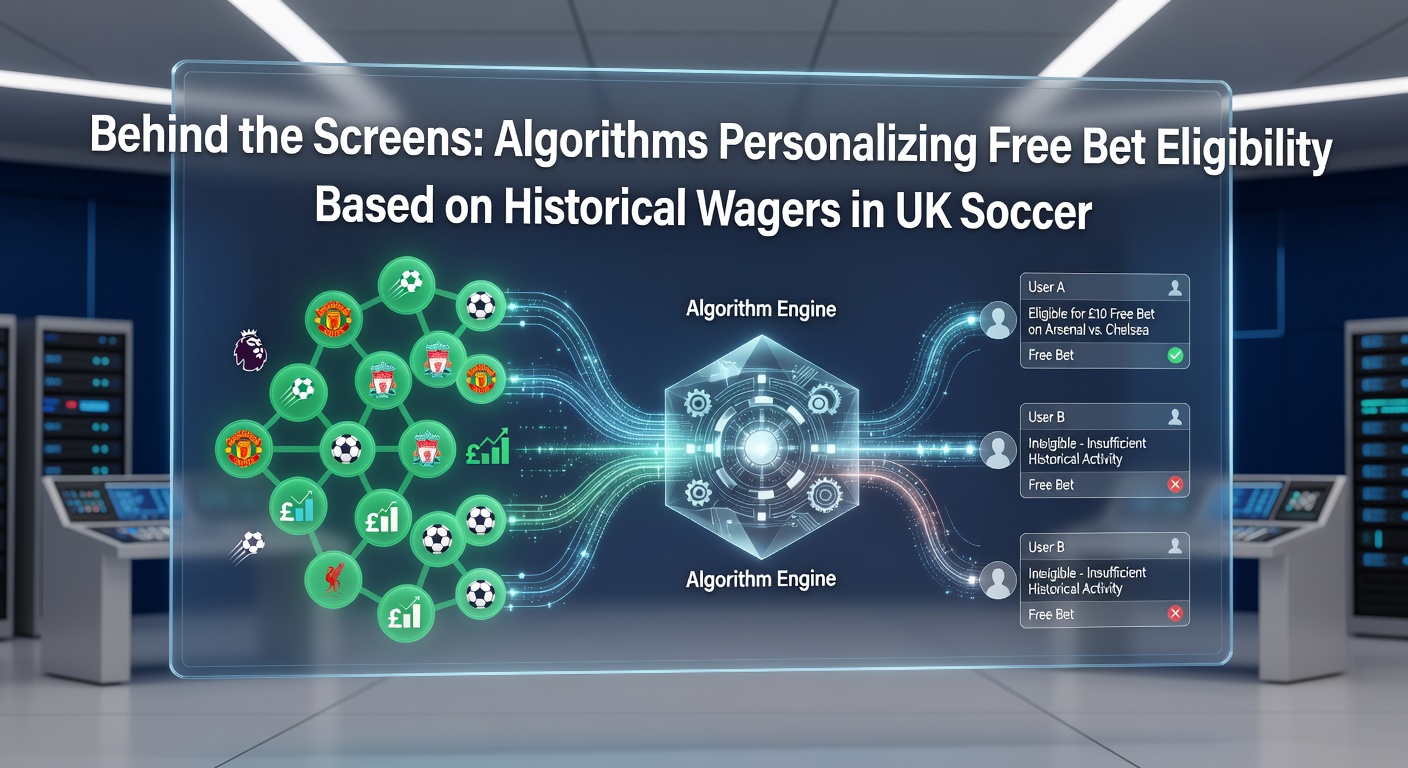
Betting platforms across the UK have integrated sophisticated machine learning systems that review customer wager histories to determine eligibility for free bets on soccer matches, and these tools process millions of data points from past deposits, stake sizes, and outcome patterns. The systems categorize users into segments based on factors such as frequency of Premier League bets, average stake amounts, and preferred bet types like accumulators or over/under markets.
Data Inputs That Drive Eligibility Decisions
Historical wagers supply the core dataset for these algorithms, which track details including match selections, odds taken, and timing of placements relative to kickoff. Platforms collect records of wins and losses alongside deposit patterns to build profiles that predict future activity levels. One study from the University of Sydney examined similar data models in international markets and found they correlate wager volume with promotional targeting accuracy.
Algorithms assign scores to each account using variables like total soccer wagers placed in the previous six months and consistency across specific leagues. A user who frequently bets on Championship games might receive free bet offers tied to upcoming fixtures in that division, whereas sporadic Premier League punters see different thresholds. These calculations run continuously, adjusting eligibility windows as new wagers enter the system.
How Personalization Algorithms Operate in Practice
Decision trees and neural networks evaluate risk versus retention potential when allocating free bets. The models compare an individual's historical behavior against broader population trends to forecast whether a free bet will increase overall handle. Accounts showing steady but moderate activity often qualify for smaller, frequent offers, while high-volume users encounter stricter criteria based on their prior redemption rates.
Real-time updates occur after each matchday, allowing platforms to recalibrate offers before the next round of fixtures. For instance, a sequence of losing accumulators on Manchester United games might shift an account into a segment eligible for loss-mitigation free bets, whereas consistent winners see offers focused on boosted odds instead. This segmentation draws from aggregated transaction logs rather than individual identifiers alone.
Impact on Soccer Bettors and Platform Strategies
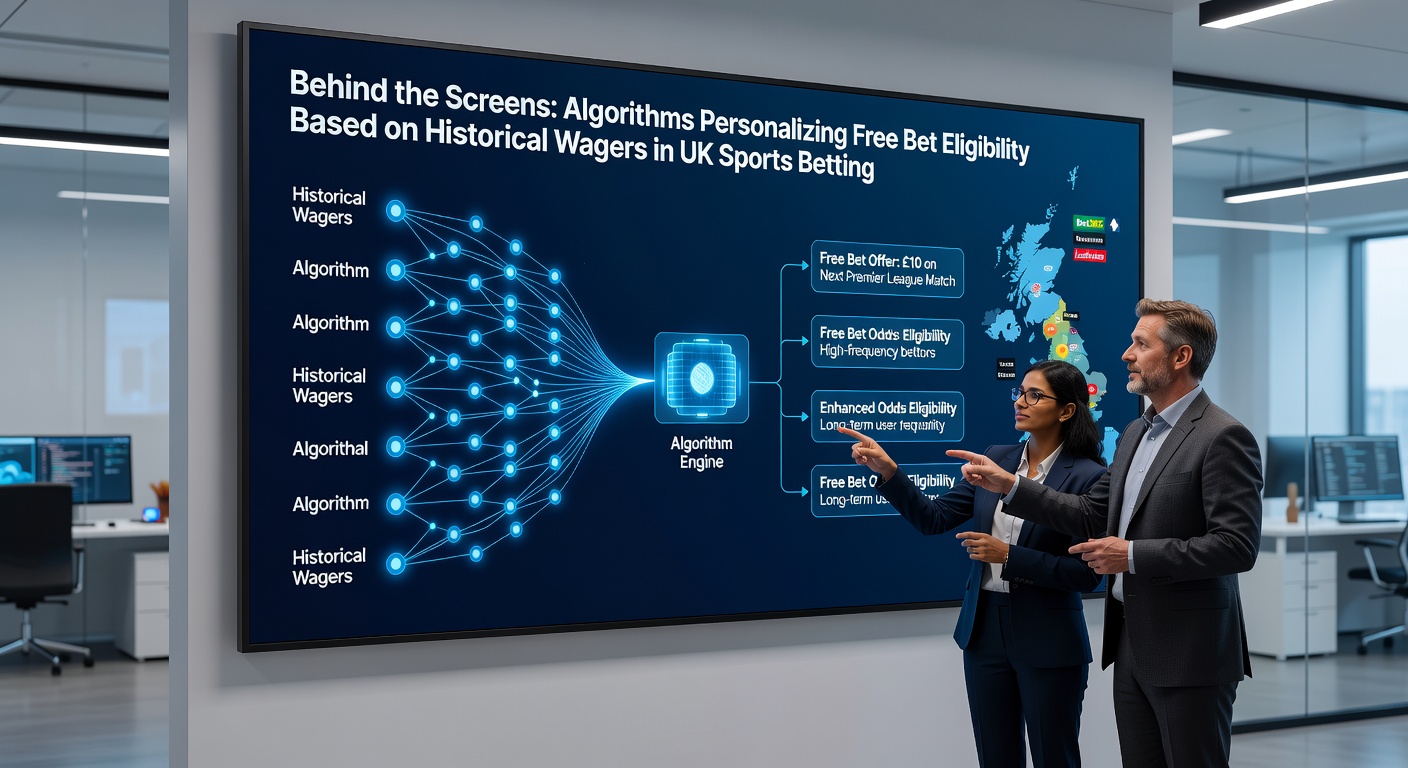
Users encounter these personalized systems when logging into apps or websites, where free bet banners appear only if the algorithm has flagged the account as qualifying. Data from the Australian Communications and Media Authority on digital personalization in gambling services shows similar approaches lead to higher engagement rates among targeted segments. In the UK soccer context, this means free bets tied to historical patterns appear more frequently around high-profile matches like those in the FA Cup.
Platforms refine their models during off-peak periods such as international breaks, incorporating additional variables like mobile app usage and live betting frequency. Accounts inactive for several weeks may drop out of eligibility pools until renewed activity triggers re-evaluation. Observers note that these shifts help platforms manage promotional budgets while directing incentives toward accounts most likely to generate sustained soccer wagering.
By June 2026, updates to these systems are expected to incorporate fixture difficulty ratings and weather data for outdoor matches, further tailoring eligibility based on historical responses to comparable conditions. The adjustments build on existing wager histories without requiring new user inputs.
Technical Architecture Behind the Targeting
Cloud-based analytics platforms handle the heavy lifting, ingesting data streams from betting engines and customer relationship management tools. Feature engineering extracts metrics such as average odds selected and variance in stake sizes across different soccer competitions. These engineered features feed into supervised learning models trained on past promotion outcomes to predict which users will claim and convert free bets.
Testing occurs through A/B frameworks where control groups receive standard offers while treatment groups see algorithm-driven versions. Metrics tracked include claim rates, subsequent deposit volumes, and retention over 30-day windows. Results from these tests inform parameter adjustments that tighten or loosen eligibility thresholds for specific wager history profiles.
Conclusion
Algorithms that personalize free bet eligibility according to historical wagers represent a core operational component of UK soccer betting platforms, relying on continuous analysis of past transactions to allocate incentives. The systems balance data from multiple wager dimensions to create targeted segments that align promotional spend with expected returns. As these models evolve with additional inputs by mid-2026, they will continue shaping how eligibility determinations occur across different user groups.